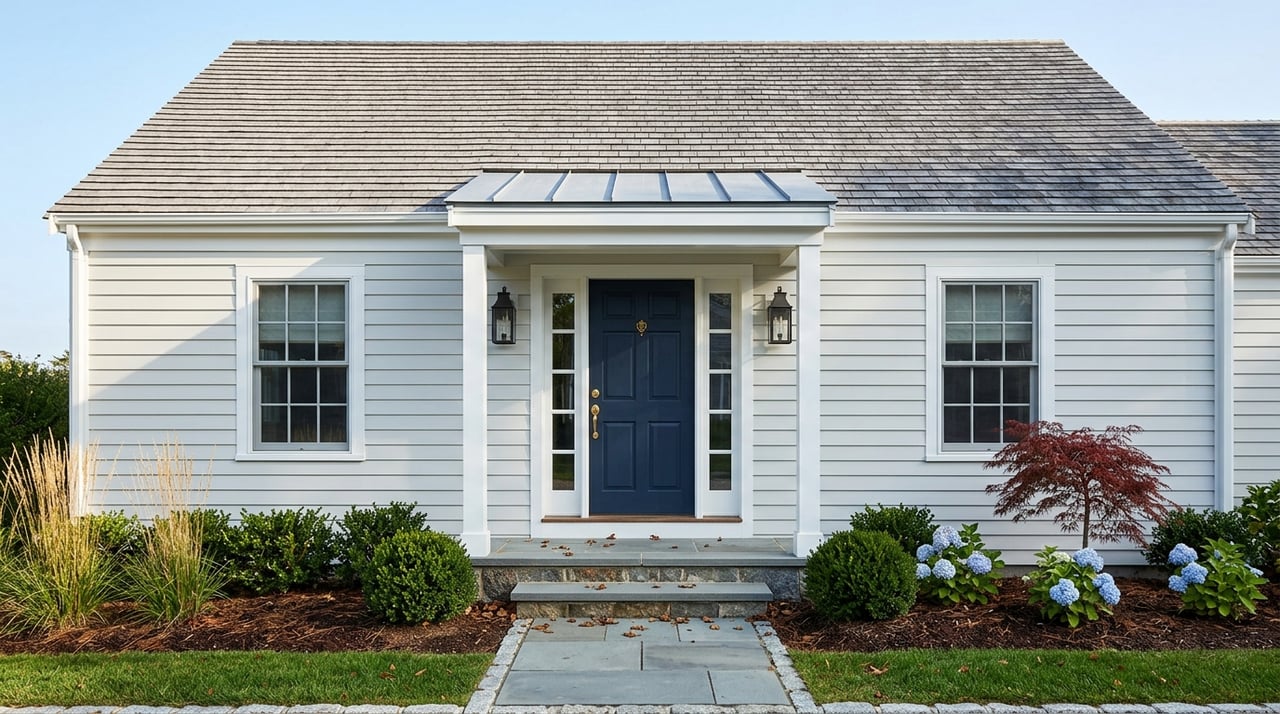
Buying A Second Home In Essex Village
July 16, 2026
July 16, 2026
Dreaming about a second home where you can step into a waterfront village, enjoy an easy weekend pace, and still keep a close eye on the practical details? Essex Village has that rare mix of charm, boating access, and compact convenience that draws many second-home buyers. If you are weighing a condo, cottage, or waterfront house here, it helps to know what daily ownership really looks like before you buy. Let’s dive in.
Essex Village offers a concentrated waterfront setting that feels easy to use for weekends and seasonal stays. The Town Dock sits at the foot of Main Street, and the town’s by-water information notes that several village restaurants are within walking distance. For many buyers, that kind of simple, walkable access is a big part of the appeal.
The village also has a long relationship with the water. Town history describes Essex Village as a place shaped by shipbuilding, protected coves, and a later mix of residential, retail, and tourism uses. That gives you a setting where waterfront living is part of the identity of the place, not just a backdrop.
There is also reason to expect the village character to stay central. Essex’s 2026 to 2036 planning summary says future development will continue to focus on the historic villages of Essex, Centerbrook, and Ivoryton. If you are buying for lifestyle as much as property, that planning direction matters.
In Essex Village, boating can be part of your ownership experience, not just a nice extra. The town’s by-water FAQ cites moorings, launch service, a free pump-out boat, a no-discharge harbor, a no-wake zone, and support from local shipyards including Safe Harbor Dauntless and Essex Boat Works. If your ideal second home includes getting on the water with minimal friction, these details deserve close attention.
That said, every property offers a different level of access. A harbor-view home does not necessarily come with a slip, mooring rights, or overnight tie-up options. The town dock allows two boats up to 25 feet, and overnight tie-ups are not permitted there, so it is important to ask very specific questions before you make assumptions.
A condo can be an attractive lock-and-leave option if you want simpler upkeep. In many HOA-managed properties, the association handles common-area insurance and exterior maintenance, while you still carry your own unit coverage. That structure can be useful when you are not living in the home full time.
You will also want to budget carefully. HOA dues are usually separate from your mortgage payment, and they can be meaningful enough to affect affordability. If you are comparing a condo to a single-family home, monthly dues should sit right alongside taxes, insurance, and utilities in your numbers.
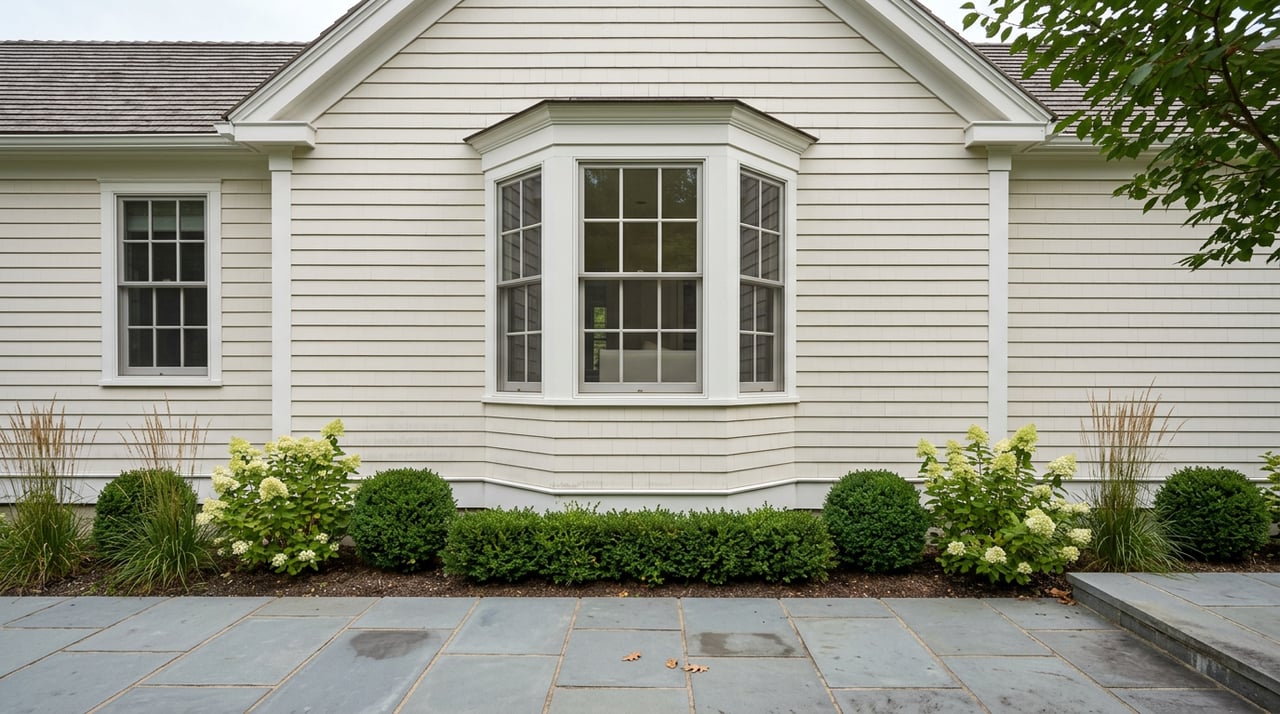
A historic cottage often fits the Essex Village setting beautifully, but it may require more attention. Essex has a specific Essex Village District in its zoning regulations, with design-sensitive requirements that can affect exterior changes and building character. The town also has an active preservation effort that includes a proposed National Register nomination for the village center.
For you as a buyer, that means charm can come with extra review. If you hope to change siding, windows, additions, signage, or exterior features later, you should confirm what approvals may be needed before closing. That is especially important for a second home, where you may want to renovate in phases over time.
A waterfront house can offer the strongest lifestyle upside, especially if direct access is part of your goal. It may also come with the longest list of ownership questions, including flood exposure, insurance needs, maintenance demands, and marine-related costs. In a village where the harbor is a major draw, those details can shape both your budget and your long-term enjoyment.
Connecticut guidance also matters when you evaluate older waterfront homes. Updated Residential Property Condition Report and Residential Foundation Condition Report requirements took effect on July 1, 2025. For cottages and older homes in particular, these reports can be valuable when you are assessing structural or foundation concerns.
It is easy to focus on the list price and overlook the monthly reality of a second home. Townwide Census benchmarks provide a useful baseline: the median owner-occupied home value was $552,000, median monthly owner costs were $2,544 with a mortgage and $1,050 without one, and the owner-occupied rate was 78.1%. These are townwide figures rather than village-only numbers, but they are the best official baseline available.
Property taxes should be part of your early planning. Essex assesses property at 70% of fair market value and revalues at least every five years. The last reassessment was effective October 1, 2023, and the next is scheduled for October 1, 2028.
Board of Finance minutes from May 11, 2026 recorded a motion to set the FY 2026 to 2027 mill rate at 19.26 mills. Because rates can change, you should confirm the final adopted rate when you are building your budget. That simple step can make your estimates much more reliable.
Second-home budgets usually need more than mortgage, taxes, and standard insurance. You may also need flood insurance where applicable, utilities, routine maintenance, seasonal care, HOA dues if the property is a condo, and septic or marina-related expenses. These costs can add up quickly, especially if you expect a more hands-off ownership experience.
Flood insurance deserves special attention near the water. Connecticut guidance states that homeowners insurance does not cover flood damage. If a home is in a FEMA Special Flood Hazard Area, flood insurance is often required with government-backed financing.
That point is especially relevant in Essex Village. The town history page documents severe flood events in 1936 and 1938 that affected waterfront properties and the harbor. Even if you are buying for occasional use, flood risk should be part of your practical review, not an afterthought.
Many buyers from larger towns expect sewer service, but Essex takes a different approach. The Water Pollution Control Authority says the town continues to support a sewer-avoidance plan. That means you should plan around septic maintenance, winterization, and repair response rather than assume municipal sewer service is coming.
The Health Department requires review before septic installation, repair, or many property changes. The town also tracks pump-out history through SepticSearch. For you, that makes septic age, maintenance history, and future repair needs essential parts of offer review and inspection planning.
This is especially important for second-home ownership. If you are away for stretches of time, you want a clear understanding of system condition and a plan for maintenance before you close.
If you will not be in Essex Village full time, your prep work matters. You may want to line up local support for maintenance, winterization, repairs, and routine check-ins before you take title. The more waterfront-oriented or older the property, the more helpful that planning becomes.
Broadband and digital access can help make absentee ownership easier. Essex QuickFacts show that 94.8% of households have broadband and 97.0% have a computer. That supports remote monitoring, video walkthroughs, and easier contractor coordination when you are managing the home from elsewhere.
For boat-centered ownership, practical logistics matter just as much as location. Ask whether the property can use a mooring or slip, what launch access looks like, how pump-out is handled, and what support is available when you are out of town. Those answers shape the real convenience of the home.
In a village known for historic character, not every improvement is simple. If a property sits in the Essex Village District or another overlay area, exterior work, additions, signage, or conversions may face added review under the zoning regulations. That does not mean you cannot improve the property, but it does mean you should understand the rules before you buy.
This matters even more with cottages and older homes that may seem like easy cosmetic projects at first glance. Your long-term plans should match the property’s zoning context, condition, and maintenance needs. A second home should support your lifestyle, not surprise you with avoidable project delays.
The best second-home purchase in Essex Village is usually the one that matches how you will actually use it. If you want low maintenance and easy departures, a condo may fit best. If you value character and are comfortable with more oversight, a historic cottage may be worth the extra planning.
If boating and waterfront living are central to your goals, a waterfront house can be deeply rewarding, but it calls for sharper due diligence. You will want a clear picture of access, flood exposure, insurance, septic, and any property-specific upkeep before moving forward. In a place as distinctive as Essex Village, those details are where smart buying starts.
When you want guidance that blends local waterfront knowledge with a concierge, second-home approach, Teri Lewis can help you evaluate the lifestyle fit and the practical details with confidence.
Stay up to date on the latest real estate trends.

Teri is extremely personable and will work tirelessly for your needs. Her attention to detail and her honest and personable approach is what she longs for each in every transaction. She will not only find you a home, but will also help you find the right fit for your family and also give you a concierge approach when transitioning into the area she so loves.