Leave a Message

Thank you for your message. We will be in touch with you shortly.

Chester CT Historic Home Styles for Buyers and Sellers

December 18, 2025

If you have ever walked down Main Street in Chester and wondered why one façade feels simple and sturdy while the next wears brackets and color, you are not alone. Older homes hold a special pull, and they also raise practical questions when you are buying or preparing to sell. In this guide, you will learn how to spot Chester’s most common historic styles, which features buyers value, and how to prep and photograph your home without harming what makes it special. Let’s dive in.

Chester’s architectural timeline

Chester’s streetscapes reflect building traditions from the 18th and 19th centuries that you see throughout New England. You will most often encounter four eras:

  • Colonial: rooted in 17th–18th century forms, often grouped locally with later Georgian influences.
  • Federal: roughly 1780–1830, a more refined take on symmetry and proportion.
  • Greek Revival: circa 1825–1860, bold classical lines and dramatic entries.
  • Victorian: mid to late 19th century, from Gothic Revival to Queen Anne, known for ornament and variety.

Local construction dates vary by property, but these benchmarks help you read the streetscape at a glance.

Colonial: symmetry and substance

How to spot it

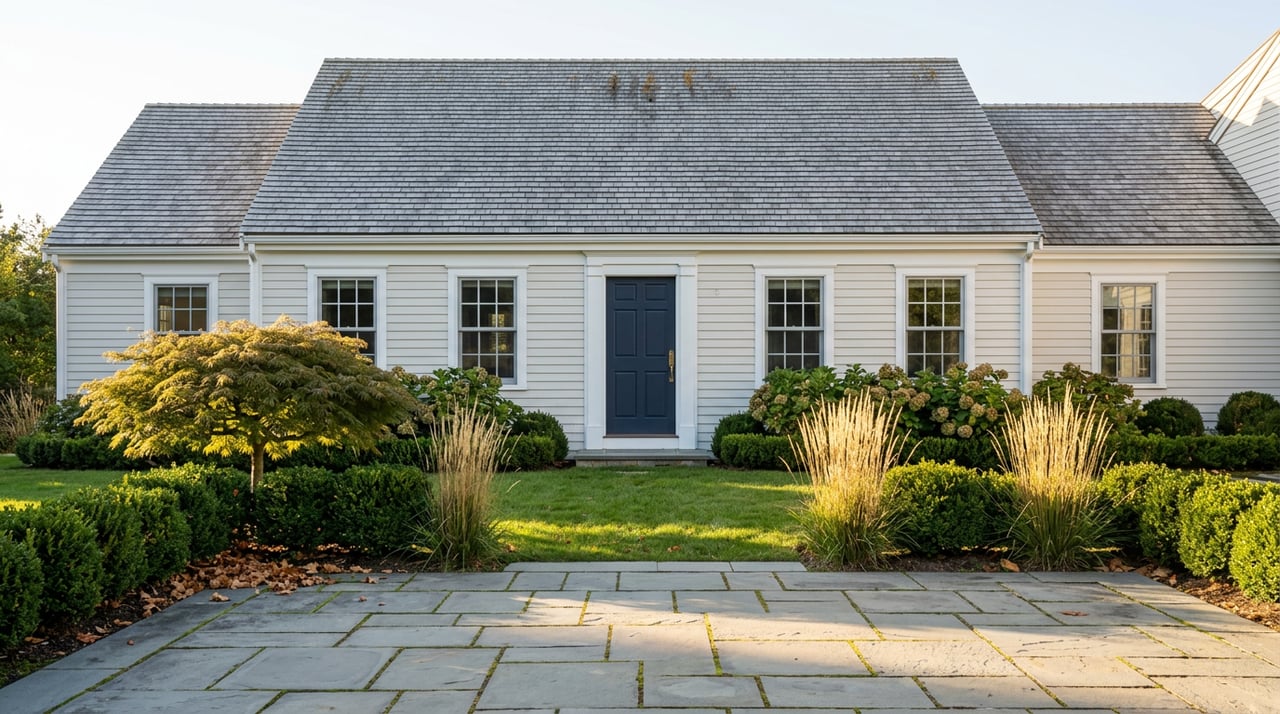
Colonial façades favor balance: two stories, a five-bay rhythm with a centered door, and small-pane windows. Roofs are usually steep gables with clapboard or shingle siding. Older examples often have a central chimney, while later Georgian Colonials may have paired end chimneys.

Inside the floor plan

Early Colonials often use a center-chimney plan with rooms arranged around a large hearth mass. Later houses add a center hall. Expect lower ceiling heights in the oldest examples, wide-board floors, exposed beams in some rooms, and sturdy, simple trim.

What buyers love

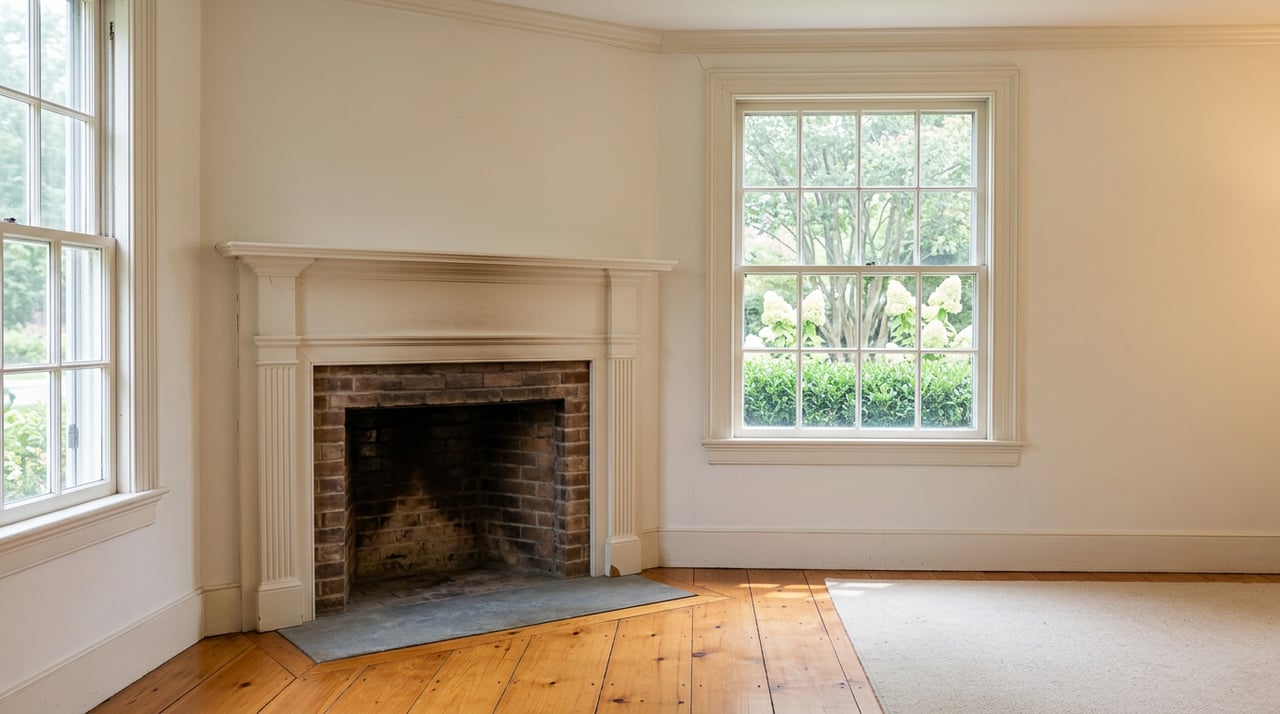
Buyers respond to original wide-board floors, honest millwork, and large hearths with simple mantels. Hand-forged hardware and period nail heads add authentic character that shows well in photos.

What to watch for

Expect quirks like settling and slightly uneven floors. Single-glazed windows can be drafty. Stone foundations may benefit from attention to drainage and moisture management.

Federal: refined symmetry

How to spot it

Federal houses keep the symmetry of Georgian forms but soften the look. Roofs are lower pitched. Doorways become elegant focal points with delicate trim, fanlights, and sidelights. Windows have thinner muntins and flatter, more refined surrounds. Clapboard is common, and you will also see some brick examples.

Inside the floor plan

The center hall becomes a showpiece, often with balanced parlors left and right. Interiors emphasize proportion and light. Mantels are more delicate, millwork is fine and crisp, and you may notice elliptical or circular motifs. Ceiling heights are typically taller than earlier colonial forms.

What buyers love

Graceful mantels, original built-ins, and a slender staircase newel make strong impressions. The flow from foyer to formal rooms is ideal for wide-angle photos that show sightlines.

What to watch for

Joinery and finishes deserve sensitive care. Many Federal homes gained later Victorian embellishments. If authenticity is your goal, you may choose to preserve or thoughtfully reverse later changes.

Greek Revival: bold classical lines

How to spot it

Greek Revival pulls classical architecture to center stage. Look for pedimented gables, heavy cornices, and sometimes full or partial temple fronts. Entries often have pilasters or columns and broad trim that reads like a classical entablature. The effect is bold and simple rather than delicate.

Inside the floor plan

You will see both center-hall and side-hall layouts, often arranged for formal presentation. Interior trim is wider and more assertive. Fireplaces wear larger, more monumental mantels.

What buyers love

The strong exterior reads beautifully in front elevations and three-quarter angles. Inside, the crisp, wide casings and bold mantels create clean lines that suit both traditional and modern furnishings.

What to watch for

Porches and columns can be vulnerable to moisture and rot. Pay attention to cornice returns and entablatures where water can intrude. Later siding may hide original details worth revealing.

Victorian era: ornament and variety

How to spot it

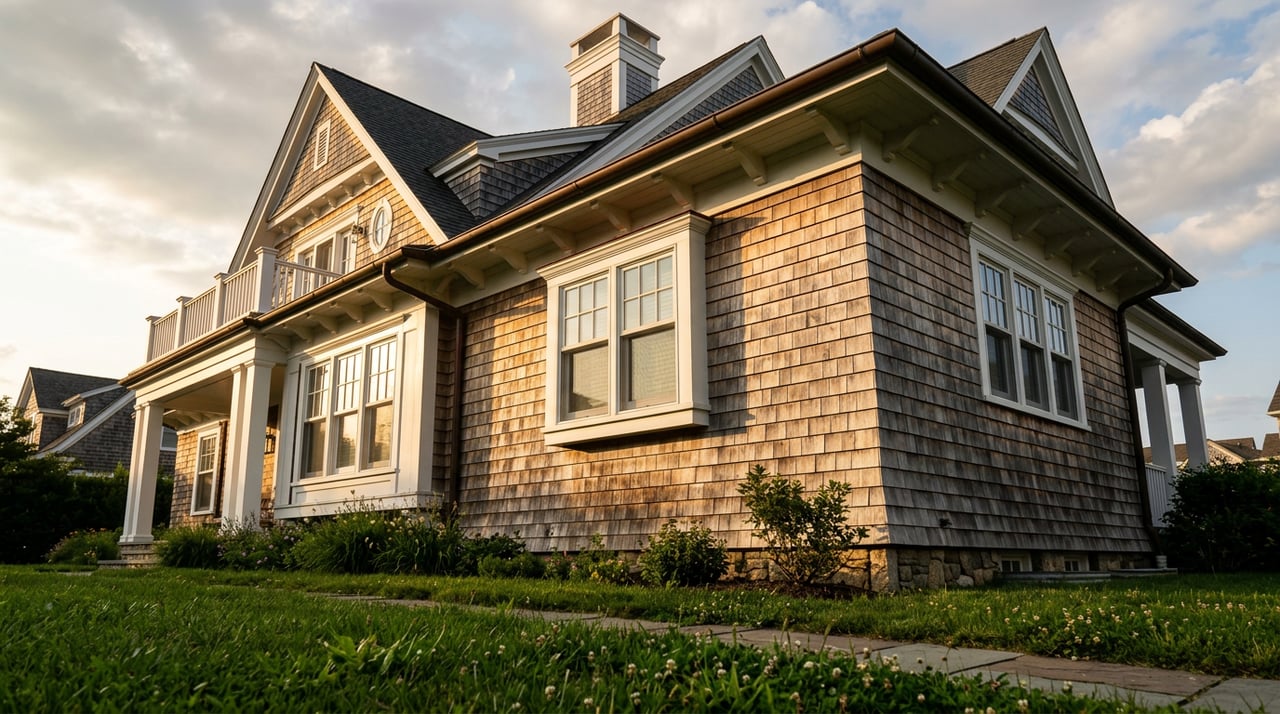
Victorian is an umbrella for styles like Gothic Revival, Italianate, Second Empire, and Queen Anne. In many small New England towns, Queen Anne details stand out: asymmetrical façades, multiple gables, patterned shingles, bay windows, and wraparound porches with brackets and spindles. Historically, paint palettes varied and often used contrasting colors.

Inside the floor plan

Expect irregular room shapes, parlors and morning rooms, and often a formal dining room. High ceilings are common, sometimes 10 to 12 feet. Interior features can include ornate plasterwork, carved mantels, stained glass, and built-in window seats or bookcases.

What buyers love

Rich millwork, decorative stair newels, stained glass, and varied rooflines create standout listing photos. Variety is the story, and it photographs beautifully when you keep rooms uncluttered.

What to watch for

Complex roofs and flashing can lead to leaks if deferred. Decorative trim needs steady paint and repair cycles. Knob-and-tube wiring sometimes remains in houses of this age and should be evaluated by a licensed electrician.

Floor plans and modern flow

Center-hall clarity

Many Colonial and Federal homes use a center-hall plan. A straight-on foyer shot that shows the stair, plaster, and moldings gives buyers a sense of proportion and circulation.

Side-hall elegance

In side-hall layouts, common in some Greek Revival houses, photograph through aligned openings to show the parlor and dining sequence. Sightlines matter to today's buyers.

Victorian connections

With asymmetrical Victorian plans, rooms can feel smaller than modern open concepts. Use photography to show how parlors connect, or highlight any thoughtfully opened sightlines.

Rear ells and additions

Historic kitchens often lived in rear ells. Many homes now feature expanded kitchens. When you shoot, balance the updated spaces with original fabric like mantels and trim so buyers see both comfort and character.

Features buyers value and how to show them

  • Fireplaces and mantels: Anchor the shot straight-on with context that shows scale. Include firebox detail where safe and appropriate.
  • Millwork and moldings: Use directional light to reveal profile shadows on baseboards, crowns, and casings.
  • Staircases and newels: Capture a full run from the foyer in a corner wide shot, then add a close-up of the newel and balusters.
  • Wide plank floors: Low-angle and unobstructed shots help the grain and board width read clearly.
  • Built-ins and window seats: Photograph the full wall and a detail of original hardware.
  • Stained glass and transoms: Backlight gently or use side light to show color without overexposure.
  • Exterior trim: Shoot porches, brackets, and cornices in soft light or golden hour for even tone and shadow detail.

For more guidance on staging and photography basics, see the National Association of Realtors’ resources at the NAR homepage.

Safety, systems, and preservation basics

  • Lead-based paint: Federal disclosure applies to homes built before 1978. Renovation that disturbs painted surfaces must follow the EPA’s Renovation, Repair and Painting Rule. Learn more at the EPA lead information page.
  • Electrical systems: Older wiring, including knob-and-tube, and undersized service are common concerns. A licensed electrician’s report can smooth financing and insurance conversations.
  • Energy performance: Original single-pane windows and uninsulated walls are typical. Targeted upgrades like attic insulation and storm windows can improve comfort while preserving historic fabric. Explore guidance at the U.S. Department of Energy.
  • Structure and moisture: Stone foundations, sagging joists, or deferred roof repairs can appear in pre-listing inspections. Plan for qualified contractor evaluations and clear documentation.
  • Permits and historic review: Exterior changes often require permits. If your home is in a local historic district or listed on a register, exterior work may be subject to review. Contact Chester’s building or land use office before starting work.

Seller prep that respects history

Pre-listing checklist

  • Inventory original features and photograph mantels, moldings, floors, hardware, and stained glass.
  • Repair historic windows where feasible with weatherstripping and sash cord fixes before considering replacements.
  • Refinish original floors rather than covering them. Restore millwork and mantels with period-appropriate profiles if replacements are needed.
  • Choose neutral wall colors that let trim and casings show. Clean and repaint trim and remove heavy draperies that hide window profiles.
  • Swap visibly distracting modern hardware for simple, era-appropriate reproductions when cost-effective.

Staging quick wins

  • Match furniture scale to room size. In Victorian parlors, lighter pieces help show flow and detail.
  • Keep styling minimal in rooms with strong architecture so original features remain the focal point.
  • Use simple textiles and a few historically sympathetic accents, such as a mirror over a mantel or a small stack of antique books.
  • In updated kitchens and baths, show both function and connection to original rooms so buyers see harmony.

Photography tips that shine

  • Exteriors: capture the full façade straight-on and at 45 degrees. Add close-ups of the entry and unique trim.
  • Interiors: use wide shots from corners at about 4 to 5 feet height for honest proportions. Add detail shots of stair parts, mantels, and built-ins.
  • Lighting: favor daylight and avoid harsh midday sun. Overcast days give even tone for wood and millwork.
  • Declutter without erasing the period. Leave a well-placed antique chair or a simple rug to show scale.
  • When possible, hire a photographer experienced with older homes who understands how to light trim and staircases.

Local resources to tap in Chester

  • Town of Chester: Contact the building or land use office about permits for exterior work, additions, porches, HVAC, or window changes.
  • Chester Historical Society: Helpful for historic photographs, ownership histories, and guidance to understand original appearance.
  • Connecticut State Historic Preservation Office (SHPO): Advises on preservation best practices, eligibility for historic registers, and state-level review processes.
  • Connecticut Trust for Historic Preservation: Offers technical guidance, case studies, and potential grant information.
  • Specialist contractors: Look for teams experienced in window restoration, lime-based masonry repair, historic plaster, and electrical upgrades in older fabric. Consider consulting a preservation architect for complex projects.

Financial incentives for owner-occupied single-family homes are limited, but certified rehabilitation tax credits can apply to income-producing historic properties in some cases. Always verify current program details with the town, SHPO, or relevant organizations.

Ready to buy or sell a historic Chester home?

You deserve marketing that respects the character of your home and reaches qualified buyers who value it. If you are searching, you should see the details that matter and understand the systems behind the charm. For concierge guidance, premium photography and staging partnerships, and local expertise across the Connecticut River Valley, connect with Teri Lewis. Request a Concierge Consultation.

FAQs

How can I tell Colonial, Federal, and Greek Revival apart?

  • Look for symmetry and chimney placement for Colonial, refined door surrounds with fanlights for Federal, and bold classical trim with pedimented gables or columned entries for Greek Revival.

Should I replace original windows in a historic Chester house?

  • Not always. Consider repairing the sash and adding storm windows to improve comfort while preserving character before choosing full replacement.

What safety disclosures apply to older homes?

  • Federal lead-based paint disclosure is required for pre-1978 homes, and renovations that disturb paint must follow the EPA’s RRP Rule.

Which updates help marketability without harming character?

  • Systems upgrades, targeted insulation like the attic, and well-presented kitchens and baths usually help most when done in ways that retain visible historic fabric.

How should I stage a Victorian or Federal home for photos?

  • Use appropriately scaled furniture, keep styling minimal around strong architectural features, and use natural light to highlight mantels, millwork, and stair details.

Work With Teri

Teri is extremely personable and will work tirelessly for your needs. Her attention to detail and her honest and personable approach is what she longs for each in every transaction. She will not only find you a home, but will also help you find the right fit for your family and also give you a concierge approach when transitioning into the area she so loves.