Leave a Message

Thank you for your message. We will be in touch with you shortly.

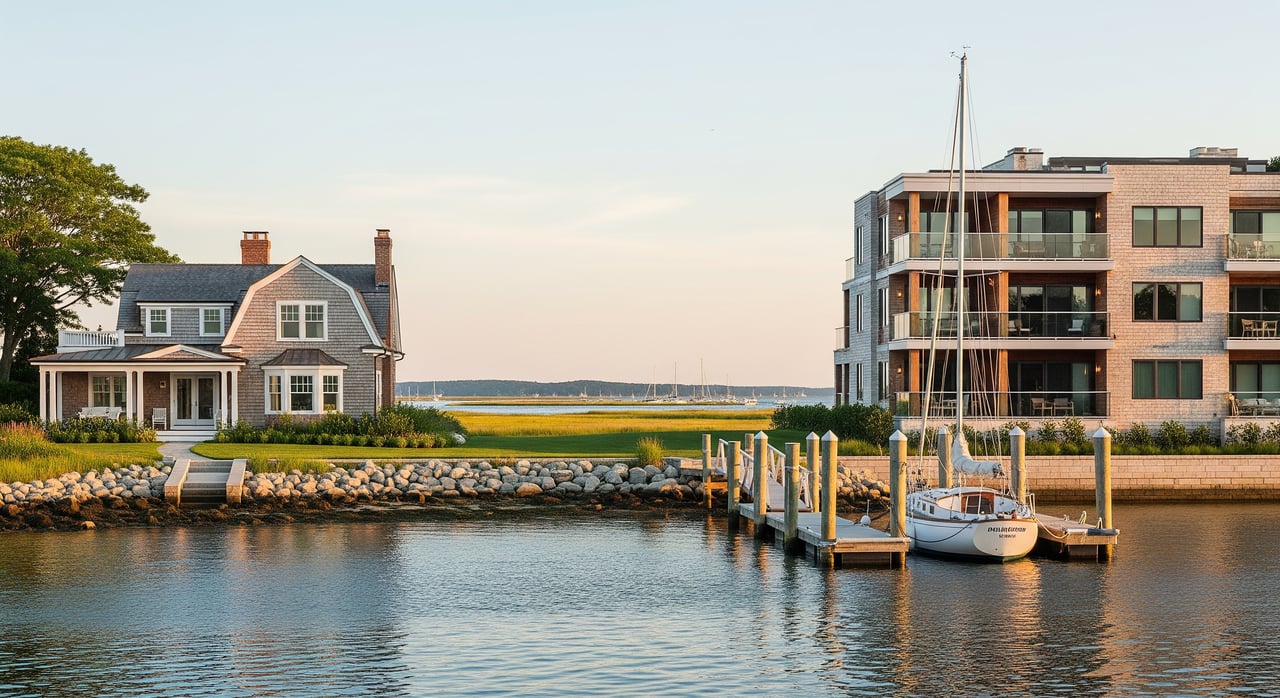
Old Saybrook Condo vs House on the Waterfront

January 15, 2026

You want the water in your life, but not the wrong kind of surprises. In Old Saybrook, choosing between a waterfront condo and a single-family home shapes your day-to-day routine, your boating access, and your budget. This guide breaks down the real costs, maintenance and risk, HOA realities, boating options, and permits you will navigate on the Connecticut coast. You will leave with a clear checklist and next steps tailored to Old Saybrook’s tidal setting. Let’s dive in.

Condo vs single-family at a glance

  • Waterfront condos: lower hands-on maintenance, shared costs for exteriors and common shoreline areas, and possible shared docks or slips. Expect HOA rules, dues, and potential special assessments.
  • Single-family waterfront: more control over shoreline structures and customization, often with private access or dock potential. Expect higher and less predictable maintenance costs and more permitting responsibility.
  • In Old Saybrook, conditions vary block to block with tides, fetch, channels and shoaling. Start early with the Town of Old Saybrook to understand local moorings, zoning, and shoreline records.

True ownership costs to compare

Mortgage and taxes

  • Price and financing affect your monthly payment in both property types. Compare likely purchase prices for similar view, access, and condition.
  • Property tax derives from assessed value and the local mill rate. Verify assessments and current rates with the Assessor at the Town of Old Saybrook.

Insurance and flood

  • Single-family owners typically carry a homeowners policy; condo owners carry an HO-6 policy and rely on the master policy for the building shell. Ask a local broker to explain what the master policy covers.
  • Flood insurance is common on tidal parcels and may be required by lenders. Check your parcel’s flood zone via the FEMA Flood Map Service Center and compare policies through the FEMA National Flood Insurance Program.
  • Coastal properties can have separate wind or hurricane deductibles. The Connecticut Insurance Department offers consumer guidance and contacts.

HOA fees and reserves

  • Condo dues often fund exterior upkeep, master insurance, landscaping, snow removal, and care of common waterfront areas.
  • Request the budget, last 2–3 years of financials, reserve study, master insurance declarations, meeting minutes, bylaws, and any slip assignment policies. A history of special assessments or thin reserves is a caution.

Maintenance and capital work

  • Condo: the association typically handles roofs, siding, seawalls or bulkheads, and common docks. Confirm what is common, limited common, and owner responsibility.
  • Single-family: you handle all exterior items, docks, bulkheads, drainage, and shoreline stabilization. Marine contractor costs can be large and intermittent based on scope and materials.

Slips, moorings and fees

  • Condos may include assigned slips, shared facilities, or none. Ask about slip size limits, waiting lists, transferability with a sale, guest policies, and annual fees.
  • Single-family: private docks and moorings are subject to riparian rights and permits. If no private slip is available, plan for town mooring or marina fees.

Utilities and assessments

  • Confirm sewer vs septic and any connection or maintenance costs. Many coastal properties use septic systems.
  • Ask about special assessments, whether HOA or municipal, that could affect your budget.

Maintenance, risk and lifecycle

Who handles what

  • Condo: exterior building envelope, seawalls, and common docks are often the association’s job. Owners usually maintain interiors and limited common areas like decks or patios.
  • Single-family: you manage it all, including shoreline structures, permits, and emergency repairs after storms.

Coastal upkeep to expect

  • Seawalls and bulkheads, dock and piling repair, and corrosion control are periodic needs. Work in tidal waters often requires permits from state and federal agencies.
  • Drainage, erosion control, vegetation, and storm prep are part of routine coastal stewardship. Winter ice and storm surge can affect timelines and costs.

Plan for reserves

  • Condos should maintain reserves based on a current reserve study. Lack of reserves or delayed projects can lead to special assessments.
  • Single-family owners should hold a larger contingency fund for shoreline and storm-related work. Check long-term risk using the NOAA Sea Level Rise Viewer.

Boating access and navigation

Types of access

  • Private dock on your parcel, shared or community dock at a condo, slip rental at a marina, or a town-assigned mooring.
  • Verify what conveys in the sale, any recorded easements, and permitted uses for each option.

Moorings and rules

  • The Harbormaster and Harbor Management Commission oversee local moorings, assignments, and rules. Start with the Town of Old Saybrook for current requirements.
  • Ask about seasonal restrictions, waitlists, and documentation needed for permits.

Tides, depth and routes

  • Tidal range, shoaling, and channel access dictate what size vessel you can keep and when you can move. Review local conditions with NOAA Tides and Currents and official NOAA nautical charts.
  • Confirm any no-wake zones, bridge clearances, and depth at mean low water near your dock or mooring.

Permits and regulations to check

Before you buy

  • Confirm flood zone status and elevation versus Base Flood Elevation using the FEMA Flood Map Service Center.
  • Check whether the parcel is within tidal wetlands jurisdiction and whether existing shoreline structures have valid permits through CT DEEP.
  • For planned changes, identify the permit path and timelines with CT DEEP and the U.S. Army Corps of Engineers New England District. Coordinate with the Old Saybrook Harbormaster early.

Agencies and resources

Side-by-side decision checklist

Financial comparison template

  • Mortgage estimate and property tax verification with the Old Saybrook Assessor.
  • Insurance: homeowners or HO-6, plus flood and wind. Get early quotes using your parcel’s elevation and construction details.
  • HOA dues and special assessments history for condos; dock or mooring fees for either type.
  • Maintenance reserve for shoreline structures and docks; utilities and any shared service costs.
  • Total annual ownership cost equals the sum of the above.

Physical and boating fit

  • Dock depth at low tide and any timing windows for your intended vessel.
  • Navigation hazards, shoaling, and distance to channels and launch ramps.
  • Storage and trailer rules, especially in condo communities, along with winter haul-out logistics.

Governance questions for condos

  • Are slips deeded, assigned, or licensed, and do they transfer with the unit?
  • What do the minutes and reserve study reveal about upcoming capital projects or litigation?
  • What does the master policy cover, and what are deductibles for wind or flood?

If you plan changes

  • For a new or replacement dock or seawall, outline permits with CT DEEP and USACE New England, plus any local approvals.
  • Check deed restrictions or conservation overlays that limit shoreline hardening in sensitive areas.

When each option fits best

Choose a waterfront condo if

  • You want low-maintenance living with managed exterior and common area care.
  • You are comfortable with HOA rules and shared access to docks or slips.
  • You value predictable budget contributions for big-ticket items managed by the association.

Choose a single-family if

  • You prioritize control over shoreline structures, design choices, and timing of repairs.
  • You want the potential for private dockage, subject to permits and site conditions.
  • You can plan for higher, less predictable capital expenses tied to storms and coastal wear.

Your next steps in Old Saybrook

  • Pull your parcel’s flood map and elevation details via the FEMA Flood Map Service Center.
  • For condos, request the full HOA document set: budget, financials, reserve study, minutes, bylaws, and insurance declarations.
  • For single-family, request an as-built survey, prior permits for docks or seawalls, and any shoreline work records.
  • Contact the Harbormaster through the Town of Old Saybrook to discuss moorings, slip options, and local rules.
  • Consult CT DEEP and USACE New England about any planned shoreline or in-water work.
  • Get insurance quotes for homeowners or HO-6, plus flood and wind, and review consumer guidance from the Connecticut Insurance Department.
  • Schedule inspections with a marine contractor or coastal engineer to evaluate docks, pilings, bulkheads, and drainage.

Local guidance you can trust

Waterfront choices are about lifestyle and logistics. With hands-on maritime experience and deep local knowledge of tidal access, slips, and shoreline structures, you can move forward with clarity. If you are weighing a condo against a single-family home on the water, connect for a concierge plan tailored to your boating and budget goals. Reach out to Teri Lewis to Request a Concierge Consultation.

FAQs

How do I check flood risk for a specific Old Saybrook property?

Do Old Saybrook waterfront condos usually include boat slips?

  • Some do, some do not; verify assignment rules, waitlists, slip size limits, and transferability with HOA documents and the Harbormaster via the Town of Old Saybrook.

What insurance do I need for a waterfront condo vs a house?

Who maintains seawalls and docks at a condo?

  • Usually the HOA for common elements, but confirm in governing documents which items are common, limited common, or owner responsibility, and review reserves and past assessments.

What permits are required to build or replace a dock in Old Saybrook?

How do tides and depth affect boating from my property?

Work With Teri

Teri is extremely personable and will work tirelessly for your needs. Her attention to detail and her honest and personable approach is what she longs for each in every transaction. She will not only find you a home, but will also help you find the right fit for your family and also give you a concierge approach when transitioning into the area she so loves.