Spring on the Connecticut Shoreline moves fast. As soon as the weather brightens, buyers start walking Madison Center, checking out homes near the Green and the beaches. If you want your listing to stand out, you need a clear plan, the right prep, and a polished presentation. In this guide, you will get a step-by-step timeline, smart updates that pay off, and staging ideas that speak to walk-to-town and beach-focused buyers. Let’s dive in.
Why spring timing matters
Spring is the primary selling season in New England. Activity builds from March into May, and late March through May is often the busiest window. More buyers hit the market, and fresh inventory comes online. A solid prep plan helps you launch during the peak while looking move-in ready.
Weather can shape the micro-season. Plan for a target list date, then work backward to schedule contractors, photos, and staging. If landscaping or exterior painting is on your list, allow buffer time for rain and cooler snaps.
Your 8–12 week prep plan
Start early so you can move at a steady pace without rushing. The goal is to present a home that feels well cared for, bright, and easy to live in year-round.
8–12 weeks out: planning and major repairs
- Meet with your listing agent to choose a target list date and photo date.
- Order a pre-listing inspection. Prioritize fixes that affect safety, water, roof, structure, heat, and electrical.
- Request bids from licensed contractors for any noted issues, including roof, chimney, windows, plumbing, heating or boiler service, and deck or structural repairs.
- Check Madison permitting for any exterior projects that need approval.
- If your home was built before 1978, prepare the federal lead-based paint disclosure and pamphlet for buyers.
- Consider a radon test. If you have a septic system or well, plan evaluations if you have not updated records recently.
- Gather maintenance records, utility bills, manuals, warranties, and permit documents.
4–6 weeks out: cosmetics and staging plan
- Complete high-priority repairs first.
- Schedule interior painting in warm, neutral tones and touch up drywall. Fresh paint makes rooms read larger and cleaner.
- Refresh kitchens and baths with selective updates: new hardware, re-caulk, brighten lighting, and clean or replace grout.
- Request a staging plan from your agent or hire a stager. Decide whether to use your furniture, rent key pieces, or opt for virtual staging.
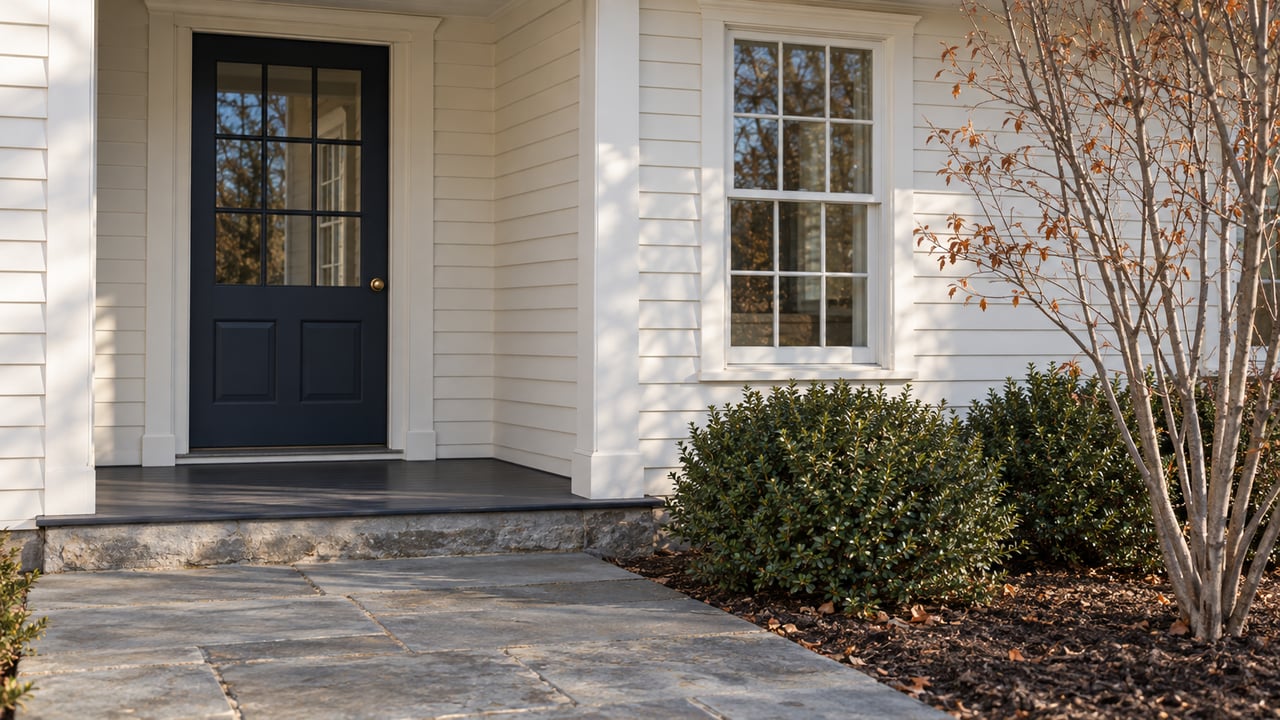
- Start landscaping: clean beds, prune, edge, mulch, and add seasonal planters by the front entry. Make sure paths and walkways are tidy and easy to follow.
- If you plan exterior work, finish it at least one to two weeks before photography.
1–2 weeks out: deep clean and organize
- Book a professional deep clean, including windows, baths, and inside appliances.
- Declutter and depersonalize. Remove excess photos, collections, and bulky furniture so rooms feel open.
- Organize closets and storage. Buyers often open closet doors to gauge real capacity.
- Add final staging touches: balanced textiles, neutral art, a few houseplants, and streamlined table settings.
- Tidy garage and outdoor storage. Store bikes and beach gear neatly.
- Plan for pets during photos and showings. Clean and neutralize any odors.
- Schedule professional photos. Consider twilight shots if your exterior benefits from evening light.
- Arrange for a floorplan and 3D tour if it fits your budget and marketing strategy.
48–72 hours out: detail and brighten
- Touch up paint, clean glass and mirrors, and clear all surfaces.
- Open blinds and curtains. Turn on lamps. Set a comfortable thermostat for showings.
- Remove cars from the driveway and street for photos. Put away personal items and toys.
- For exteriors, sweep porches, stage outdoor seating, and water planters the day before.
Day of photos: capture the lifestyle
- Walk the property with your agent and photographer to confirm the shot list: kitchen, main living areas, primary bedroom, bathrooms, entry, yard, and outdoor living.
- Include a few context shots that reflect the Madison Center lifestyle, such as sidewalks leading to town or the general direction of the shoreline, where appropriate and permitted.
- Share accurate walk-time estimates to town amenities with your agent to confirm in the listing notes.
Fix first: safety and systems
Buyers in Madison Center expect a home that feels solid and comfortable in all seasons. Address safety and major systems before cosmetics.
- Roof and flashing repairs. Resolve any active leaks.
- Heating system service. Make sure the boiler or furnace, chimneys, and fireplaces are safe and functioning.
- Water intrusion. Dry out damp basements, repair sources of water, and remediate mold or rot.
- Electrical safety. Correct hazards or code issues.
- Structural concerns. Stabilize or repair as appropriate and prepare to disclose.
Well-documented work builds buyer confidence. Maintenance records and recent service statements help buyers understand your home’s care history.
High-ROI cosmetic updates
Focus on changes that brighten, simplify, and modernize. These items typically help your photos pop and reduce buyer objections.
- Fresh, neutral paint in key rooms or the full interior.
- Clean or refinish wood floors and replace worn carpet.
- Kitchen and bath touch-ups: recaulking, clean grout, updated cabinet hardware, and improved lighting.
- Updated hardware and light fixtures in a simple, modern style.
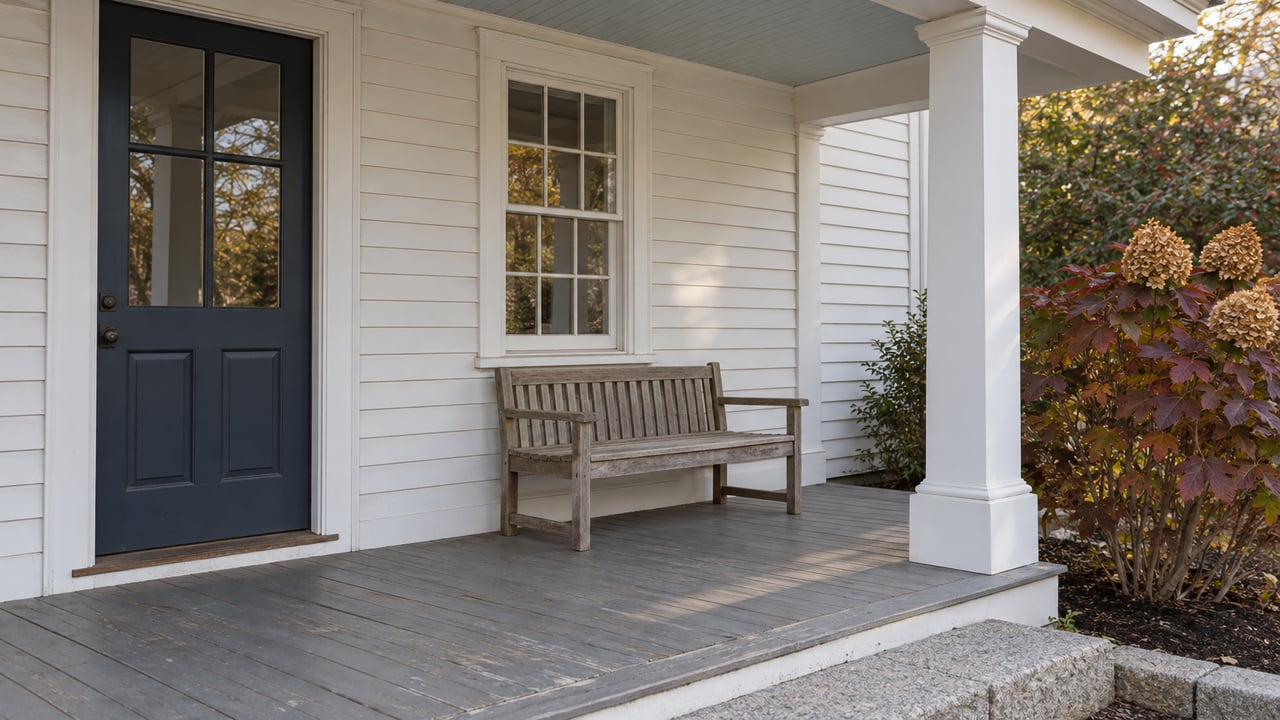
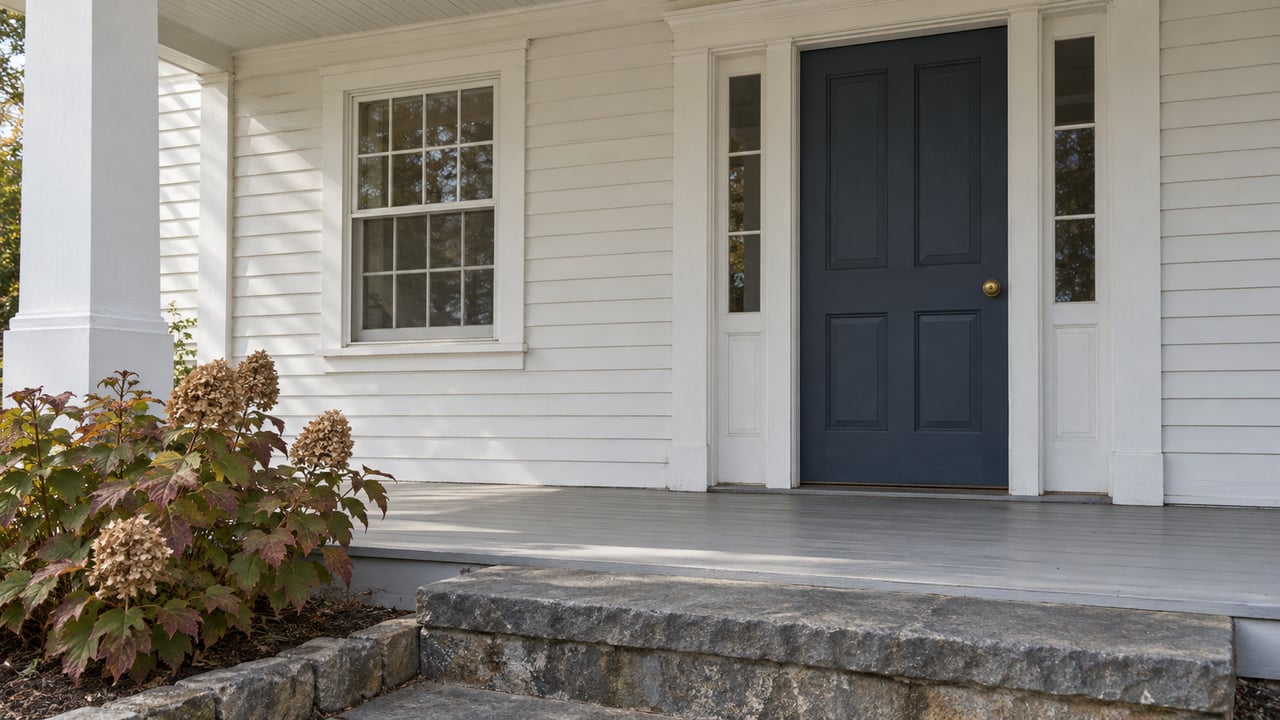
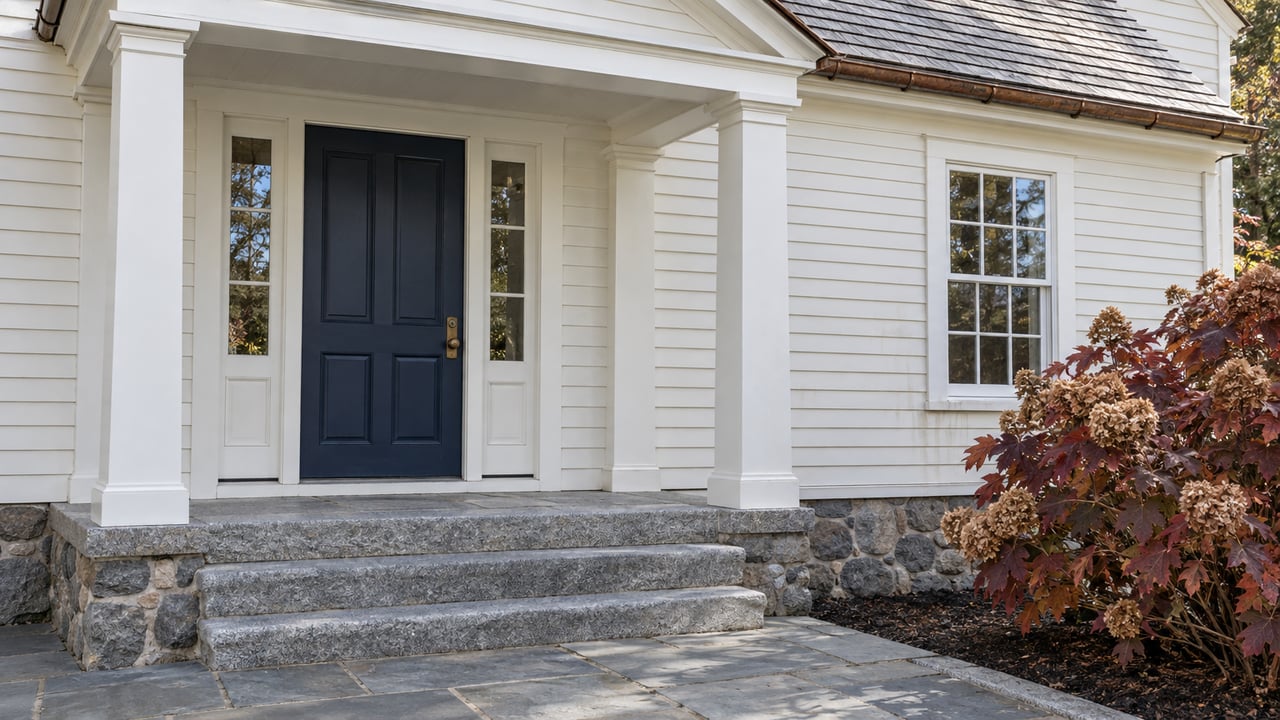
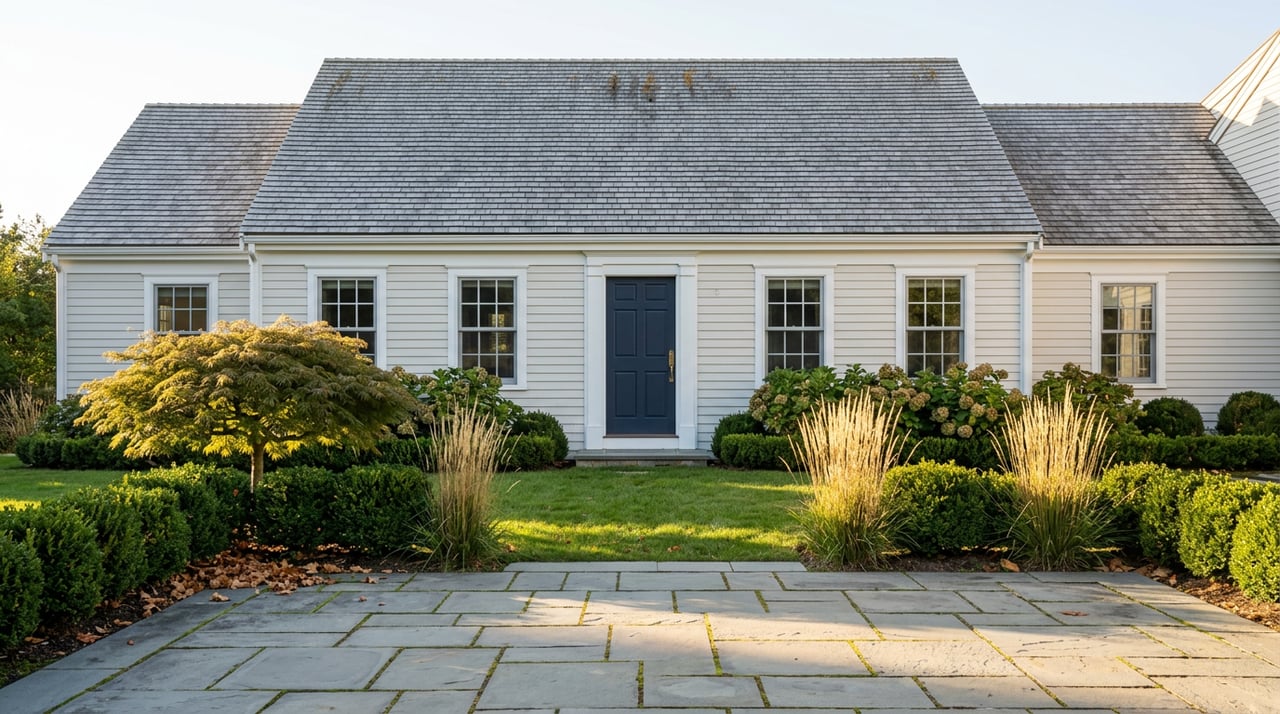
- Curb appeal upgrades: a clean entry door, repaired steps, clear house numbers, a fresh mailbox, power-washed siding and walkways, and seasonal plantings.
These updates are quick to complete and support a strong first impression online and in person.
Stage for walk-to-town and beach buyers
Madison Center buyers often value an easy Shoreline lifestyle: simple routines, short walks, and low-maintenance spaces. Stage to highlight that convenience without leaning into heavy themes.
- Overall look: Keep a light, neutral palette with warm accents. Remove heavy drapes and oversized furniture to maximize flow and natural light.
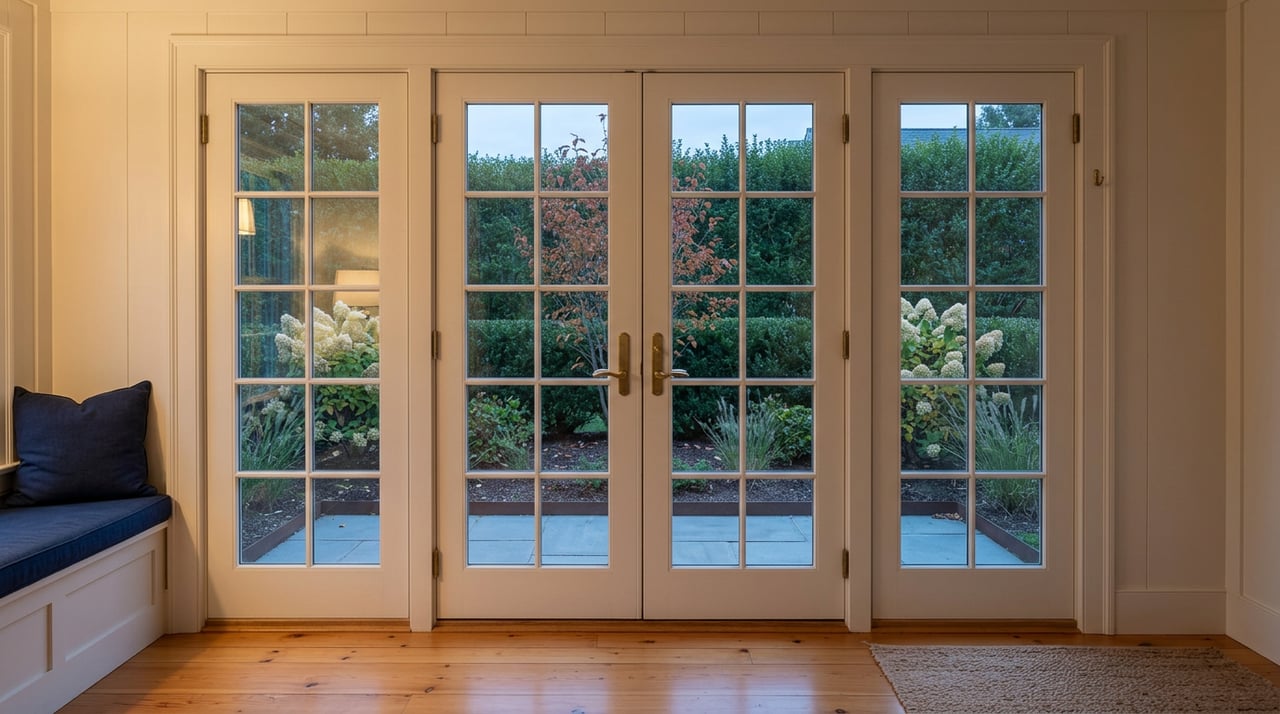
- Entry and mudroom: Show a clean, functional drop zone with a bench, hooks, and storage baskets. If you have a basement or garage entry, organize racks for bikes and beach gear.
- Kitchen and dining: Clear counters and style with a few neutral items. Emphasize clean surfaces and good lighting.
- Living areas: Arrange furniture for conversation and clear pathways. Use neutral rugs and layers like linen or woven textures.
- Bedrooms and baths: Keep bedding simple and calm. Replace worn shower curtains, re-caulk tubs, and declutter vanity tops.
- Outdoor spaces: Define a seating area with a small bistro set or chairs. Keep paths to porches, sidewalks, and yard access tidy and well lit.
Photography should support this story. Twilight or golden-hour photos can add warmth, while daytime images should prioritize clean sight lines and bright, inviting rooms.
Photos, floorplans, and tours that sell
Online presentation is often the first showing. Professional photography, clear floorplans, and an optional 3D tour help buyers picture daily life in your home.
- Use a shot list that features your best angles: kitchen, main living areas, primary suite, outdoor spaces, and storage or flex rooms.
- Consider a twilight set if the exterior lighting is attractive and you have outdoor living to showcase.
- A floorplan offers layout clarity. 3D tours can increase time spent on your listing and attract out-of-area buyers.
Coordinate your photo date with your landscaping schedule and weather forecasts. Aim to capture your home when trees begin to leaf out and beds are freshly mulched.
Paperwork and disclosures in Connecticut
Buyers appreciate transparency and complete files. Prepare the basics early so you can respond quickly to offers.
- Lead-Based Paint Disclosure for homes built before 1978, plus the required informational pamphlet.
- Maintenance records for roof, heating, septic if applicable, and major renovations or permits.
- Consider providing radon test results. Many buyers will ask or test anyway.
- Septic and well documentation if your property has them. Confirm any local health department requirements.
- If there is an underground oil tank, verify status and disclosure requirements.
Your agent can help you confirm current local standards and which documents are needed for your property type.
Coordinate vendors and budget
Line up trusted pros early. Spring schedules fill quickly across the Shoreline.
- Who to hire: listing agent, pre-listing home inspector, licensed contractors for safety and systems work, a stager or staging consultant, professional photographer and virtual tour provider, landscaper, and a professional cleaner.
- Budget priorities: put safety and systems first. Then invest in paint, lighting, cleaning, and landscaping for strong visual impact.
- Project planning: ask for itemized quotes and a timeline. Build a small weather buffer for exterior work.
Your agent should orchestrate the schedule so you can move from repairs to cosmetics to photos without downtime.
Madison Center curb appeal checklist
Make your home look easy to own and easy to love from the street.
- Clear all walkways and steps. Edge, mulch, and sweep.
- Refresh the front door and hardware. Add visible, stylish house numbers.
- Place simple planters at the entry. Water the day before photos.
- Pressure wash walkways, porch, and siding as needed.
- Define an outdoor seating spot if space allows.
- Tidy parking and driveway areas for an uncluttered first look.
Ready to list this spring?
With the right plan, you can launch a Madison Center listing that feels bright, organized, and ready for a Shoreline lifestyle. Start 8 to 12 weeks out, tackle safety and comfort first, then polish the details that buyers notice online. Finish with clean, neutral staging and a photo set that showcases light, flow, and outdoor ease.
If you want a concierge plan tailored to your home, connect with Teri Lewis. You will get local insight, staging and design partnerships, and a polished marketing package backed by William Pitt Sotheby’s reach.
FAQs
When should I start preparing a Madison Center home for a spring listing?
- Begin 8 to 12 weeks before your target list date so you can complete repairs, schedule vendors, and finish staging before photos.
What repairs matter most before listing in New England?
- Prioritize roof leaks, heating system service, electrical safety, water intrusion, and structural concerns before cosmetic changes.
Which cosmetic updates offer the best return for a quick spring sale?
- Neutral interior paint, lighting refreshes, clean flooring, caulk and grout touch-ups, and curb appeal upgrades deliver strong visual impact.
How should I stage for walk-to-town and beach-focused buyers?
- Keep spaces light and simple, show functional storage for everyday items and gear, and define outdoor seating with low-maintenance plantings.
Do I need to provide a lead-based paint disclosure in Connecticut?
- If your home was built before 1978, federal law requires a lead-based paint disclosure and an informational pamphlet for buyers.
Should I include a floorplan or 3D tour in my listing?
- Yes, clear floorplans and optional 3D tours help buyers visualize layout and can increase online engagement, especially for out-of-area shoppers.