Buying an Essex CT Riverfront Home in Essex Village
March 5, 2026
March 5, 2026
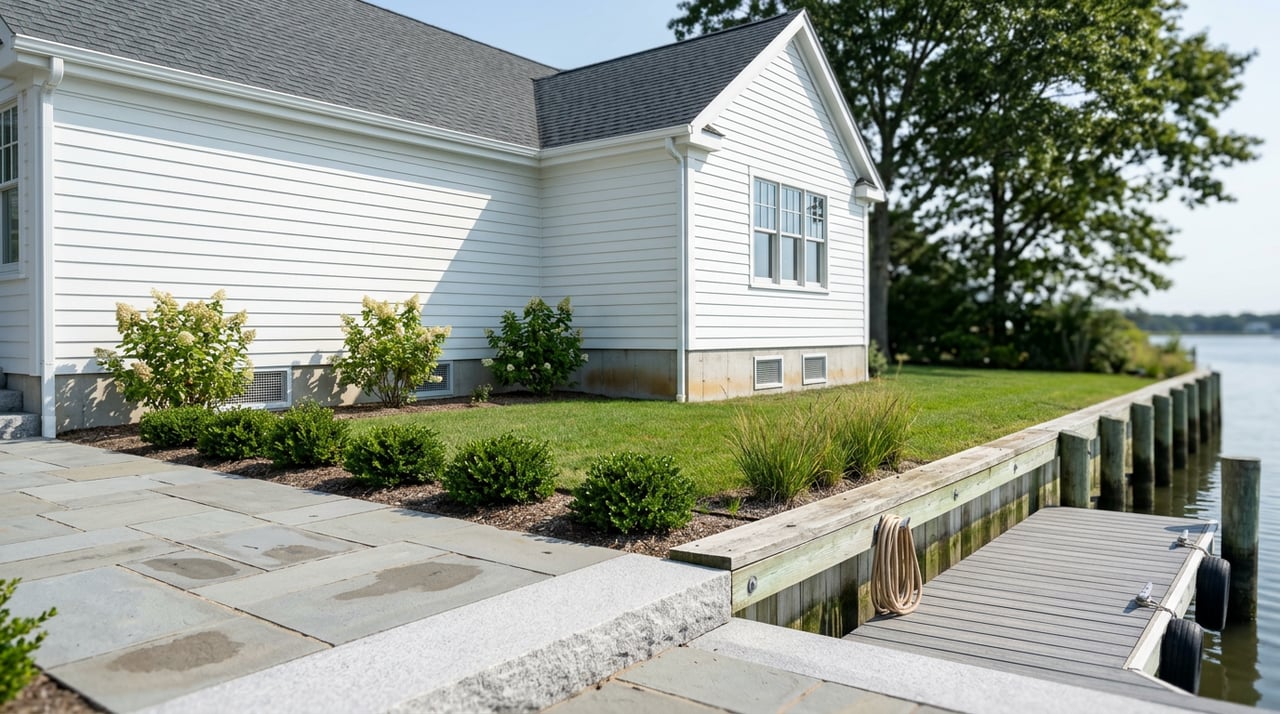
Imagine morning light on the Connecticut River, your coffee in hand, and your boat just steps away. Now picture the fine print that makes river living work: permits, tides, moorings, and insurance. If you are considering a home on or near the water in Essex Village, a little due diligence goes a long way. This guide breaks down the essentials so you can buy with confidence and enjoy the river from day one. Let’s dive in.
Essex Village sits on the west bank of the lower Connecticut River, a tidal reach with an active harbor community. The town’s Harbor Management Commission and Harbor Master oversee public docks, launching, and moorings, with a field of roughly 200+ moorings and online administration for assignments and rules. You can review local harbor contacts and procedures through the town’s Harbor Management Commission page at the official town site for Essex.
Much of the lower river falls within a regional conservation area that guides how the shoreline looks and functions. Expect harbor plans and state guidance to support scenic protection and navigational safety. If you are comparing properties, you will want to note how these policies may shape dock design and lighting.
In Essex, you will typically encounter fixed pile-supported piers, seasonal floating docks attached to pilings, bulkhead-front lots with small finger piers, and properties that rely on a mooring rather than a private pier. Each has different maintenance needs and permitting paths. The state’s Residential Dock Guidelines explain design thresholds, environmental considerations, and when a project can use an expedited general permit versus a full individual permit.
A helpful example from those guidelines: docks that qualify under the state’s General Permit are capped at a maximum of 220 square feet waterward of mean high water, with other limits on length or depth. If submerged aquatic vegetation or tidal wetlands are present, a general permit is not an option and a more detailed review applies.
A private mooring can be a great alternative to a pier in areas with currents or environmental constraints. In Essex, moorings are assigned through the Harbor Master under town rules. When you make an offer, confirm whether the sale includes a mooring assignment, rights to apply for one, or only general riparian access. Clarify maintenance obligations and any transfer procedures with the Harbor Master early.
The lower Connecticut River is a tidal, mostly freshwater estuary near Essex. That mix matters. Corrosion, marine-borer risk, and dock design considerations differ from fully saltwater coasts. Expect daily tide cycles that can vary with weather and seasonal river flow. Use a nearby tide reference, such as Old Saybrook, when you evaluate boat draft, launch timing, and access windows.
Currents on the lower river can run stronger than they appear from shore. Commercial traffic uses this reach, so navigation channels, shoaling, and dredging history influence how far a pier can extend or where moorings are placed. If you are planning a future dock project, ask your agent to review recent permitting activity and public notices for harbor work to understand local depth and channel maintenance.
Winter brings ice and storm-driven debris that can stress pilings, floats, and bulkheads. Many private floats are seasonal and come out for the winter. Ask how an existing dock is secured or removed each year, who handles it, and what service records exist. A seasonal removal plan can extend the life of a dock and reduce repair surprises.
Start with FEMA’s Flood Map Service Center to look up the current Flood Insurance Rate Map panel and any Special Flood Hazard Area designation for the address. The map and Base Flood Elevation determine whether a lender will require flood insurance and help you benchmark elevation risk. Ask the seller or town if an Elevation Certificate exists, and plan to order one during contingencies if needed.
An Elevation Certificate documents how the home’s lowest floor compares to the Base Flood Elevation. Insurers and lenders often rely on it to set National Flood Insurance Program rates, confirm compliance, or support a Letter of Map Amendment when conditions allow. A licensed surveyor or engineer prepares the certificate. If none is available, build time into your inspection window to obtain one.
Flood coverage is separate from homeowners insurance and is commonly required or strongly recommended along the river. The NFIP typically has a 30-day waiting period for new policies, so get quotes during your contingency period. The Connecticut Insurance Department urges property owners to plan ahead and consider flood insurance, especially after recent flood events.
A standard home inspection is essential, but waterfront properties benefit from a deeper, specialist review. Build the following into your contingency plan.
Look for signs of movement or deterioration: leaning or cracked bulkheads, separated seams, voids at the toe, spalled concrete, or fresh emergency patches. Ask for permits and engineering records. State shoreline guidance encourages nonstructural solutions when feasible and explains how hard structures can shift erosion to nearby areas. If a bulkhead protects the home, plan for eventual repair or replacement in your long-term budget.
Have a marine contractor or coastal engineer evaluate piles, hardware, and floats. On wood piles, check for rot or borer activity. Confirm that metal connectors and shore-power wiring follow current best practices, and verify any boat lift’s capacity and service records. Ask how the structure is secured or removed in winter and what the annual maintenance plan looks like.
Confirm the elevation and protection of electrical panels, HVAC equipment, fuel tanks, and water heaters. Look for sealed penetrations and backflow protection on the building sewer. Consider generator access, sump-pump backups, and safe shore-power arrangements for boats if applicable. Simple elevation and hardening steps can reduce claims and downtime after storm events.
Many Essex-area homes rely on private septic and wells. Order a septic inspection that locates tanks and access points and review town or health-department records for permits and pump history. Septic repairs or relocations on tight riverfront lots can be costly and must follow state technical standards. Wells should be inspected and water tested for potability.
Confirm whether shellfish leases, submerged aquatic vegetation, or tidal wetlands are present in front of or near the property. These resources can limit dock size or prevent certain projects. The state’s Residential Dock Guidelines explain when a general permit is possible and when an individual permit is required.
Ask your attorney to confirm what riparian rights attach to the parcel and to identify any shared pier agreements or historic encroachments. In Connecticut, upland owners have riparian rights to access the water and to wharf out, but those rights are subject to state and municipal regulation. A careful title review ensures you understand any easements that affect pier use or association control.
Use this checklist to organize your due diligence from first showing to closing.
Ready to compare active listings, dock potential, and flood implications with a pro who has owned and operated a downtown Essex marina for more than two decades? Request a Concierge Consultation with Teri Lewis to map your search, coordinate inspections, and secure a river home that fits your boating and lifestyle goals.
Stay up to date on the latest real estate trends.



Teri is extremely personable and will work tirelessly for your needs. Her attention to detail and her honest and personable approach is what she longs for each in every transaction. She will not only find you a home, but will also help you find the right fit for your family and also give you a concierge approach when transitioning into the area she so loves.