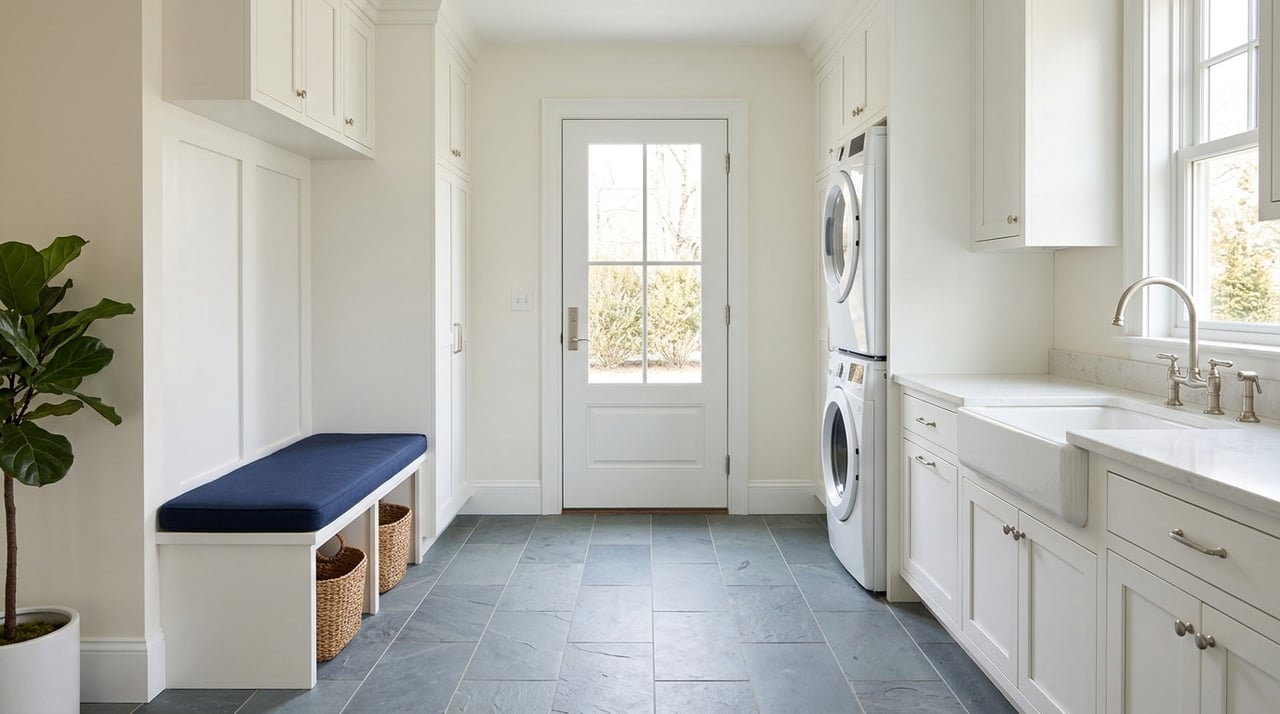
Your Guide to Old Saybrook Second Home Buying
May 7, 2026
May 7, 2026
Dreaming about a shoreline escape that feels easy to reach and easy to enjoy? Old Saybrook has a way of checking both boxes. If you are looking for a second home in coastal Connecticut, this town offers the kind of lifestyle many buyers want: water access, a walkable center, outdoor recreation, and practical transportation connections. Just as important, it comes with ownership details you should understand before you buy. Let’s dive in.
Old Saybrook sits where the Connecticut River meets Long Island Sound, which gives it a distinct shoreline identity. The town describes itself as a community of about 10,000 with access to I-95, Route 9, Amtrak, and Shore Line East service. For many second-home buyers, that mix makes weekend travel and seasonal visits much more manageable.
The appeal is not only about getting there. Old Saybrook also offers Main Street shops and restaurants, two public beaches, parks, marinas, a state-owned boat launch, and a historic downtown. The town also hosts recurring events like concerts, arts-and-crafts programming, and holiday traditions, which helps create a sense of rhythm throughout the year.
For you as a buyer, that means a second home here can support more than one lifestyle. You may want boating and beach time, a quiet retreat, or a place where you can park the car and enjoy town amenities on foot. Old Saybrook gives you several ways to live that out.
One of the most helpful things about Old Saybrook is that the town naturally breaks into a few distinct living patterns. The town’s own relocation guidance points to three broad settings: north-side homes, in-town homes, and waterfront or near-water homes. Each one fits a different second-home goal.
If privacy and extra land matter most, the north side may be worth a close look. The town notes this area is associated with a quieter setting, larger yards, and proximity to preserved coastal forest. That can be appealing if you want a more tucked-away property for weekend use or longer seasonal stays.
For some buyers, this setting also offers a different kind of ownership rhythm. You may trade immediate beach access for more space and less day-to-day activity around you. If your idea of a second home is peace, trails, and room to spread out, this part of town may align well.
If convenience drives your decision, in-town homes deserve attention. These locations offer easier access to Main Street, dining, shopping, and everyday services. That can be a strong fit if you want your second home to feel simple and low-friction.
In-town living can also support year-round use in a practical way. You may be closer to what you need when visiting for short stays, and the setting may feel more active in different seasons. For buyers who want coastal character without being fully dependent on a car, this is often an appealing option.
For many second-home buyers, this is the dream. Homes near Long Island Sound or the Connecticut River can offer views, boating access, and a stronger connection to the water. In Old Saybrook, that can be a major part of the lifestyle draw.
That said, waterfront ownership usually comes with more questions to answer up front. The town notes that beach and tax associations such as Chalker Beach, Cornfield Point, Fenwick, Knollwood, Indian Town, and Saybrook Manor are part of the local landscape. If you are considering one of these areas, ask early about association governance, fees, rules, and any property-specific obligations.
This is one of the most important topics for second-home buyers in Old Saybrook. The town has an official process for seasonal dwellings and for converting homes from seasonal to year-round use. That tells you something important right away: not every charming shore cottage should be assumed to function as a full-time residence.
If you are buying with flexibility in mind, verify the legal status of the property early. A home that works beautifully for summer weekends may have different rules or limitations if you plan to use it more extensively. This is especially relevant if you expect your second home to evolve over time into a longer-stay or retirement property.
A careful review at the start can save time, money, and frustration later. In a market like Old Saybrook, lifestyle appeal and practical use need to line up. That is where informed guidance can make a real difference.
Many second-home buyers hope to personalize a property after closing. In Old Saybrook, that can be very doable, but it should be planned carefully. The town’s Building Department says permits may be needed for work involving mechanical systems, electrical work, additions, site disturbance, zoning issues, and some exterior changes.
The town also has an Architectural Review Board that is focused on protecting Old Saybrook’s natural, architectural, and cultural heritage. For you, that means exterior updates on certain homes may involve more review than you expect. If you are drawn to older homes or highly visible waterfront properties, it is smart to understand the approval path before you budget a renovation.
There is another layer to keep in mind near water and sensitive land. The Land Use Department says inland wetlands permits may be required for work in or within 100 feet of wetlands, waterbodies, or watercourses. Even relatively straightforward plans can become more complex if the site has environmental review requirements.
A second home should feel enjoyable, not overwhelming. Old Saybrook does offer the local services that support property ownership, but absentee owners still need a plan. Public Works maintains roads, handles snowplowing, and supports beach and park upkeep, while the Transfer Station operates on limited weekly hours.
That matters because second-home ownership includes the details between visits. Trash, storm prep, winter conditions, and routine maintenance all need attention, especially if the home is vacant part of the time. If you are buying from out of town, it helps to think through how you will manage the property in every season.
The town also offers a free Property Check program for property and mortgage fraud alerts. That may be a useful extra layer of awareness for owners who do not occupy the property full-time. Local emergency services are also in place through the police department, volunteer fire department, and Old Saybrook Ambulance Association.
If your vision of a second home includes time on the water, Old Saybrook stands out. The town lists marinas on both the Connecticut River and Long Island Sound, along with a public boat launch at Baldwin Bridge. For buyers who prioritize boating, that is a major lifestyle advantage.
The Harbor Management Commission oversees moorings, slips, and kayak racks, and the town notes that mooring applications should allow about three weeks for processing. Moorings must also be inspected annually before placement in the water. These are not drawbacks, but they are part of the planning process if your second home search is tied to boating access.
This is one reason lifestyle fit matters so much in Old Saybrook. A beautiful water-adjacent house is one thing, but a home that matches how you actually want to use the river or Sound is something else. The right purchase comes from understanding both the property and the waterfront logistics around it.
A great second-home town gives you more than one reason to visit. Old Saybrook promotes more than 1,000 acres of preserved coastal forest, miles of trails, and a seven-mile scenic coastal loop. That broadens the lifestyle well beyond summer beach days.
You can picture a long weekend that mixes boating with walking, biking, dining in town, or a low-key afternoon nearby. The town also highlights options like Saybrook Point mini-golf and Fenwick’s public golf course. For many buyers, that variety is part of what makes a second home here feel usable across different seasons and moods.
Every shoreline purchase should be approached with clear eyes. Old Saybrook’s Coastal Resilience information states that the town is facing sea level rise and other natural hazards. The town’s FEMA flood information also directs buyers to flood maps and flood-compliance resources.
For you, this means due diligence is essential, especially for waterfront and near-water homes. Flood exposure, insurance needs, elevation, and property condition are all important parts of the decision. A home can be beautiful and still require a careful review of long-term ownership costs and risk.
Taxes should also be part of your early planning. The town’s 2025 annual report lists a mill rate of 15.50 per $1,000 of assessed value. That is a useful starting point for modeling recurring costs, along with insurance, utilities, maintenance, and any applicable association charges.
The best second-home purchases are about fit, not just finishes. In Old Saybrook, that means matching the property to the way you plan to use it. Your ideal home may be a quiet north-side retreat, a walkable in-town condo or house, or a waterfront property that puts boating front and center.
Before you commit, make sure you understand a few key points:
A second home should support the life you want to live, not create surprises you did not plan for. In a town like Old Saybrook, the right guidance can help you sort through those details while keeping the lifestyle picture in focus.
If you are considering Old Saybrook as a second-home destination, working with someone who understands shoreline living, boating priorities, and the practical side of waterfront ownership can help you move with confidence. When you are ready for tailored guidance, reach out to Teri Lewis for a concierge consultation.
Stay up to date on the latest real estate trends.
Teri is extremely personable and will work tirelessly for your needs. Her attention to detail and her honest and personable approach is what she longs for each in every transaction. She will not only find you a home, but will also help you find the right fit for your family and also give you a concierge approach when transitioning into the area she so loves.