
Buying a Home in Essex Village: What to Know First
May 14, 2026
May 14, 2026
Buying in Essex Village is not just about finding a house you like. It is about matching your budget, your daily routine, and your long-term plans to a compact, historic, river-oriented place where location details matter. If you want to buy with more confidence, this guide will walk you through what to expect, what to ask, and how to prepare for the process in Essex Village. Let’s dive in.
Essex Village is one of three villages in the Town of Essex, set along the Connecticut River a few miles from Long Island Sound. Town materials describe it as a boating and sailing destination with historic architecture, shops, restaurants, and a harbor-centered lifestyle. They also describe Essex Village as compact, historic, and tightly developed.
That matters because your experience can change a lot from one address to the next. One home may put you within easy walking distance of the village core, dining, or harbor access, while another may feel quieter, more private, or less connected on foot. In Essex Village, small location differences often have a big impact on daily life.
Before you tour seriously, get clear on the full cost of ownership. Your monthly mortgage is only one part of the picture. You also need to plan for property taxes, homeowners insurance, utilities, maintenance, and closing costs.
According to the research provided, typical closing costs often run about 2% to 5% of the purchase price. If you are looking at a home near the river or coves, you may also need to factor in flood insurance depending on the property and your financing.
A larger down payment may help lower your monthly payment. It may also reduce or eliminate mortgage insurance once you reach 20% down. If you are a first-time buyer or an eligible Connecticut buyer, it is also worth reviewing CHFA programs early in the process.
CHFA recommends starting with homebuyer education, getting pre-approved, and assembling your team before you begin your search in earnest. Its workshops cover pre-approval, making an offer, and closing, which can be especially useful if you are moving from online browsing to active buying.
The research also notes that Connecticut’s Time To Own forgivable down payment assistance loan can provide up to 20% down payment assistance and 5% closing costs for eligible buyers, with 0% interest and no monthly payment, forgiven over time. If you may qualify, explore that before you make assumptions about your price range.
A strong team can make the process smoother, especially in a market like Essex Village where waterfront, historic, and permitting questions can overlap. You do not need the biggest team. You need the right one.
Your core team should usually include:
Depending on the home, you may also benefit from a housing counselor, surveyor, engineer, or wetlands professional. This is especially true if you want to buy near the water or make future exterior changes.
In a place like Essex Village, local experience matters. A buyer’s agent who understands harbor access, flood questions, and the differences between village streets can help you avoid costly surprises and focus on homes that truly fit your lifestyle.
When you start touring homes, it is easy to focus on kitchens, finishes, and square footage. In Essex Village, that is only part of the decision. Because the village is compact and river-oriented, the exact location often matters just as much as the home itself.
As you tour, compare each property based on how you would actually live there. Think about parking, privacy, yard usability, how close you are to the village center, and whether walking access matches your expectations.
Pay close attention to:
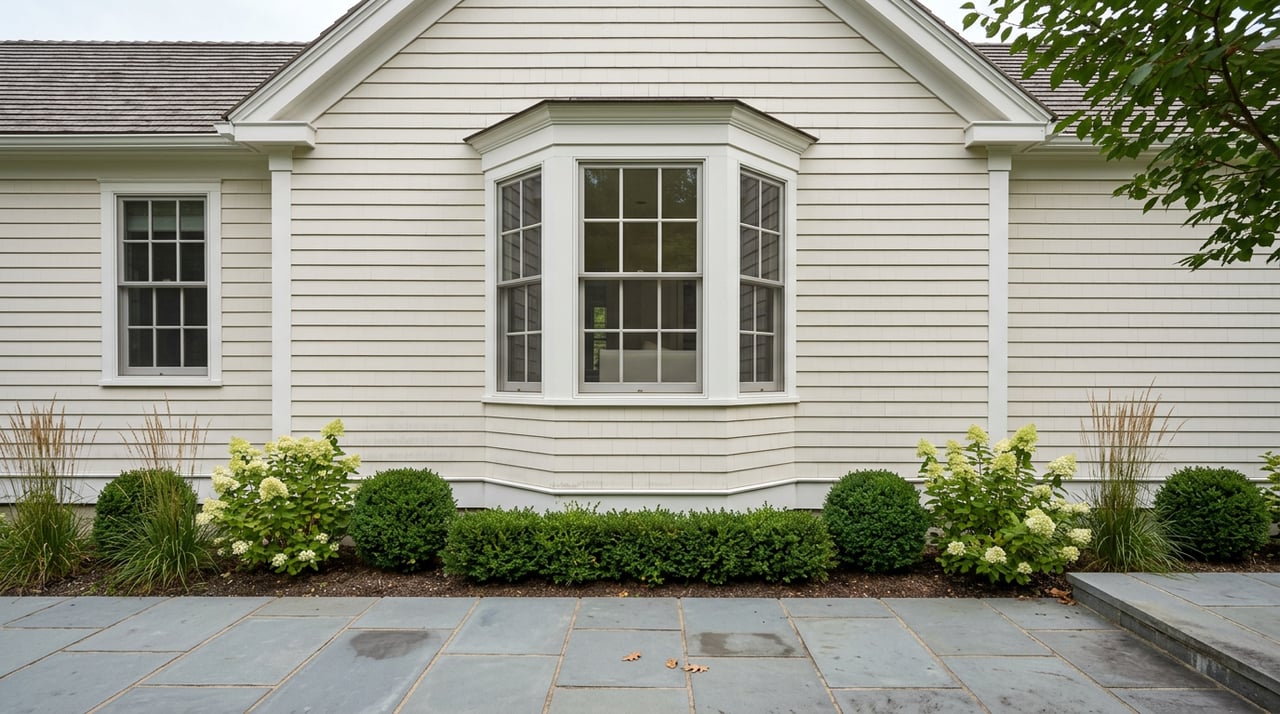
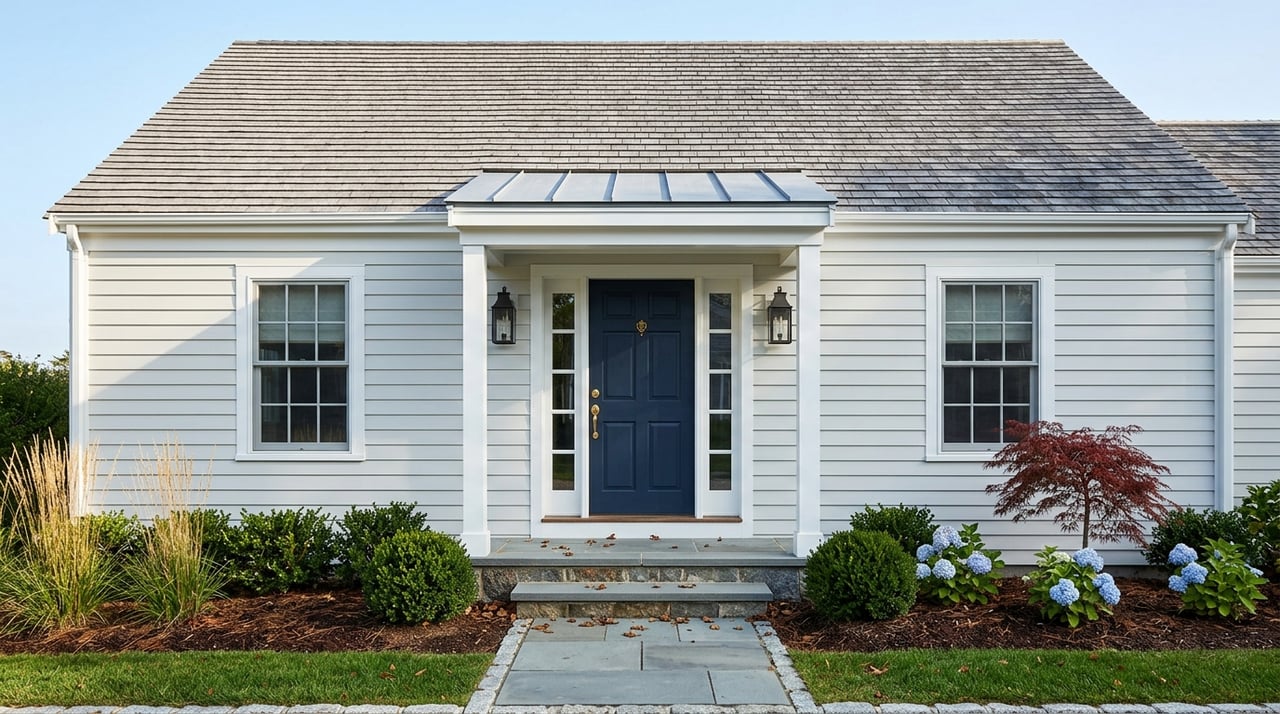
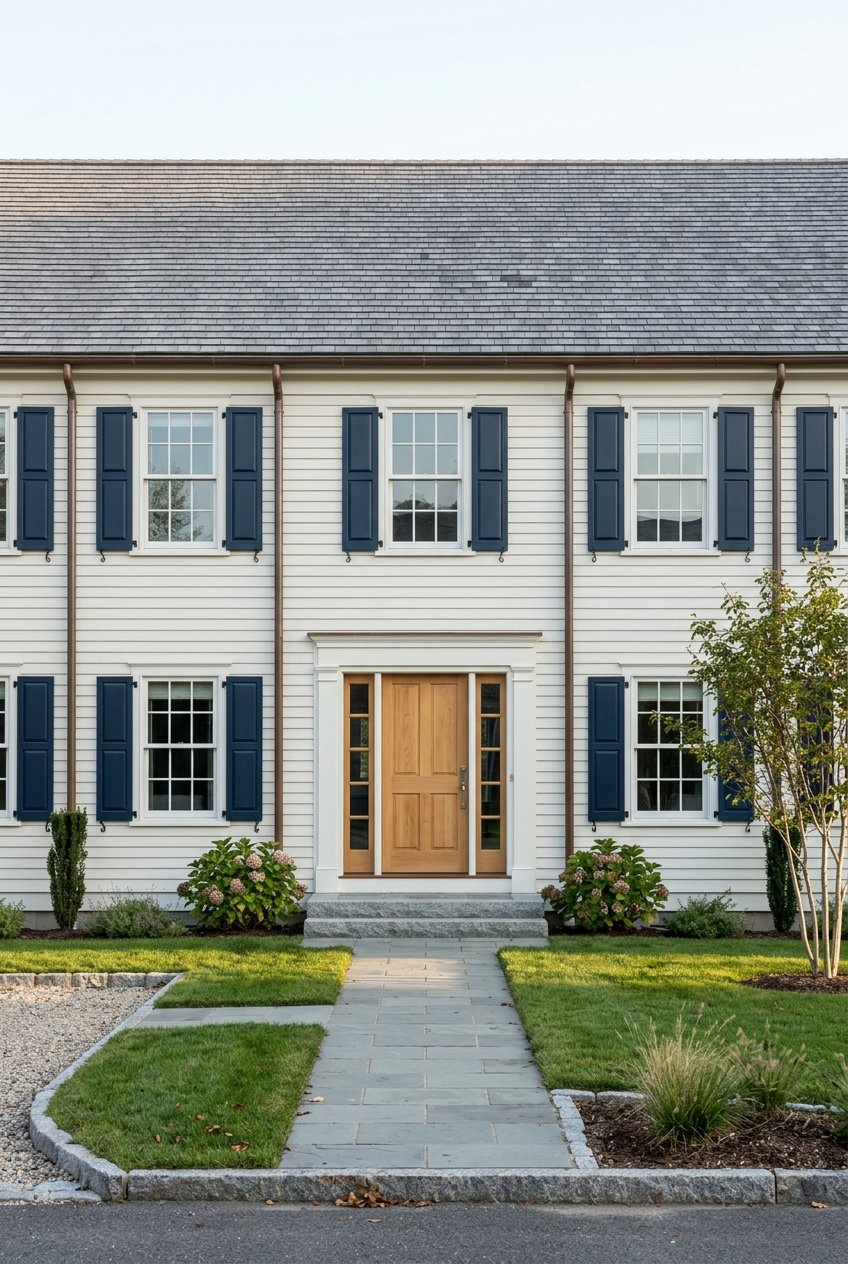
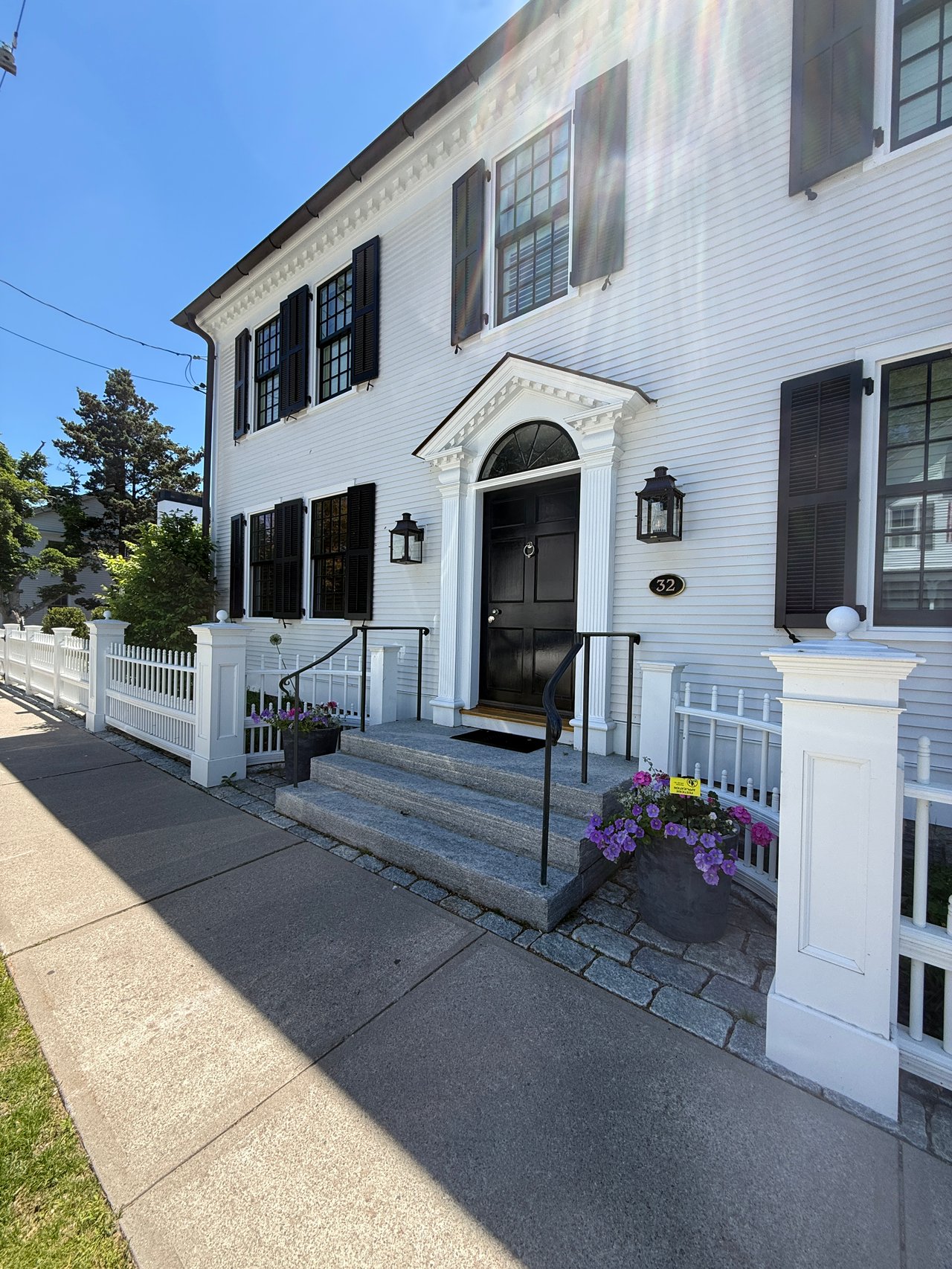
Older housing stock is part of Essex Village’s appeal. The town highlights Federal, Victorian, and Cape Cod homes, which means you may be buying character along with stewardship. That can be a great fit, but it also means you should ask more questions about maintenance history, systems, and renovation work.
In Essex Village, smart buying often comes down to asking the right questions early. This is especially true if the home is near the river, in a historic area, or if you hope to make changes after closing.
Here are a few important questions to raise during showings or before you make an offer:
These questions are not about being overly cautious. They are about understanding what you are buying now and what flexibility you will have later.
Once you find the right property, your offer should reflect both market conditions and the home’s specific risks or needs. CHFA notes that sellers may accept, reject, or counter an offer, and once accepted, that offer becomes a legal contract.
That is why your offer strategy should consider more than price alone. Condition, location, likely repair costs, and time on market can all shape what makes sense. In Essex Village, due diligence questions around flood exposure, older systems, or future permitting can also influence your comfort level.
The research strongly supports including an inspection clause. CFPB recommends this so you may be able to cancel without penalty if the inspection is unsatisfactory. In a village with older homes and waterfront influences, that protection is especially important.
Once you are under contract, schedule your inspection right away. If possible, attend the inspection so you can hear concerns firsthand and understand which issues are routine and which may be more serious.
An inspection is different from an appraisal. The appraisal is for the lender. The inspection is for you. It helps you understand the home’s condition, likely repairs, and whether you still want to move forward under the terms of the contract.
For older homes in Essex Village, inspections may reveal deferred maintenance, drainage concerns, aging mechanicals, or questions about prior renovations. None of that automatically means you should walk away, but it does mean you need a clear picture before closing.
In Essex Village, river proximity can be part of the appeal, but it also requires careful review. Water-adjacent homes may raise questions about flood zones, wetlands, insurance, and future construction approvals.
The research notes that if a mortgaged property is in a Special Flood Hazard Area, flood insurance is generally required. It also notes that standard homeowners insurance typically does not cover flood damage. That makes flood-zone verification an early priority, not something to leave until the last minute.
Flood insurance can affect both cost and closing timing. The research notes that new NFIP policies usually have a 30-day waiting period unless the coverage is tied to a mortgage transaction or another listed exception. If a property may require flood insurance, bring your insurance agent into the process early.
The Town of Essex also participates in the National Flood Insurance Program, and local officials review construction in Special Flood Hazard Areas for flood permits. If you are buying with future plans for additions or exterior work, that local review process matters.
If the property is near the river, coves, or wet areas, permit questions should be part of your due diligence. Essex’s materials say that most projects need a permit if the property is within wetlands or within the 100-foot upland review area.
That does not only apply to major construction. Depending on the site and your plans, future work may trigger more review than you expect. For some properties, professionally prepared plans may also be required.
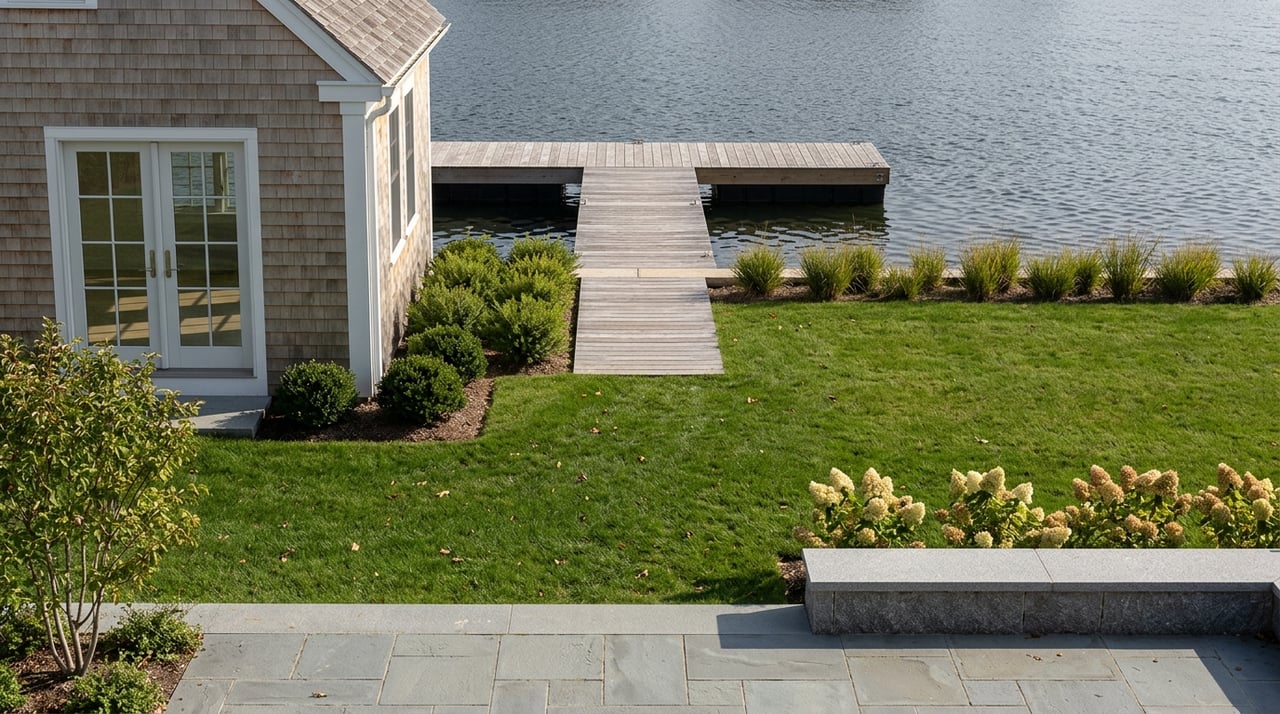
If you are considering shoreline work such as a dock, retaining wall, or similar improvement, additional state review may apply. That is why buyers should not assume that a great location automatically comes with simple future expansion options.
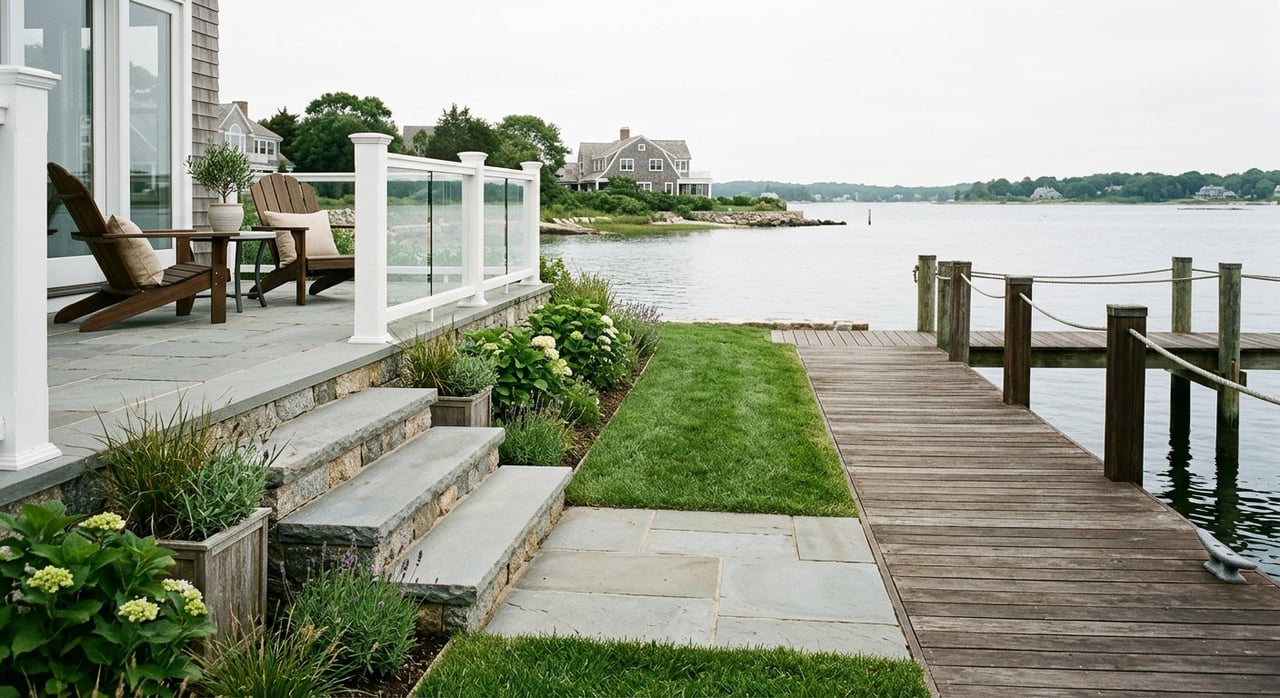
For many buyers, Essex Village is attractive because of its harbor-centered lifestyle. Essex Harbor includes moorings, the Main Street dock, launch ramp, and public access points. That makes boating access a real lifestyle feature, but it does not mean every home comes with direct or guaranteed rights.
If water access matters to you, verify exactly what comes with the property. Is access deeded, attached to the lot, handled through a town permit, or subject to a waitlist? This is one of the most important lifestyle questions you can answer before closing.
For buyers focused on waterfront or boating use, this is where local, practical guidance becomes especially valuable. Knowing how a property functions in real life is just as important as how it looks in photos.
As you move toward closing, keep your final checklist simple and specific. Review your down payment, closing costs, insurance, taxes, utilities, moving costs, and likely first-year repairs. Make sure every professional on your team is aligned and working on the same timeline.
For an Essex Village purchase, the most important final checks include:
That kind of preparation can reduce last-minute stress and help you close with more confidence.
Buying in Essex Village can be incredibly rewarding when you match the right property to the way you want to live. The village offers historic character, harbor energy, and a strong sense of place, but it also asks buyers to pay attention to the details that shape ownership over time. If you want thoughtful, concierge-level guidance as you search, Teri Lewis can help you evaluate homes with clarity, care, and local insight.
Stay up to date on the latest real estate trends.

Teri is extremely personable and will work tirelessly for your needs. Her attention to detail and her honest and personable approach is what she longs for each in every transaction. She will not only find you a home, but will also help you find the right fit for your family and also give you a concierge approach when transitioning into the area she so loves.