Essex Village Historic Homes: Find Your Ideal Style
June 4, 2026
June 4, 2026
Looking at historic homes in Essex Village can feel a little like stepping into a painting. You see elegant front doors, balanced facades, classic chimneys, and streetscapes that still reflect the village’s early maritime roots. If you are hoping to buy here, it helps to know which architectural styles you are most likely to find, how they tend to live day to day, and where the trade-offs usually show up. Let’s dive in.
Essex Village sits on a peninsula along the west bank of the Connecticut River, and that setting shaped both its history and its housing. The village grew from shipbuilding, then later from boating and recreation, and many older homes remained intact because there was relatively little commercial pressure to redevelop after 1860.
That long continuity is a big part of what buyers notice today. Instead of scattered historic properties, you often find a cohesive village fabric with older homes still defining the character of Main Street and nearby side streets.
The town is also actively pursuing National Register recognition for an Essex Village historic district. For buyers, that reinforces what is already obvious on the ground: this is a place where architecture and setting still matter.
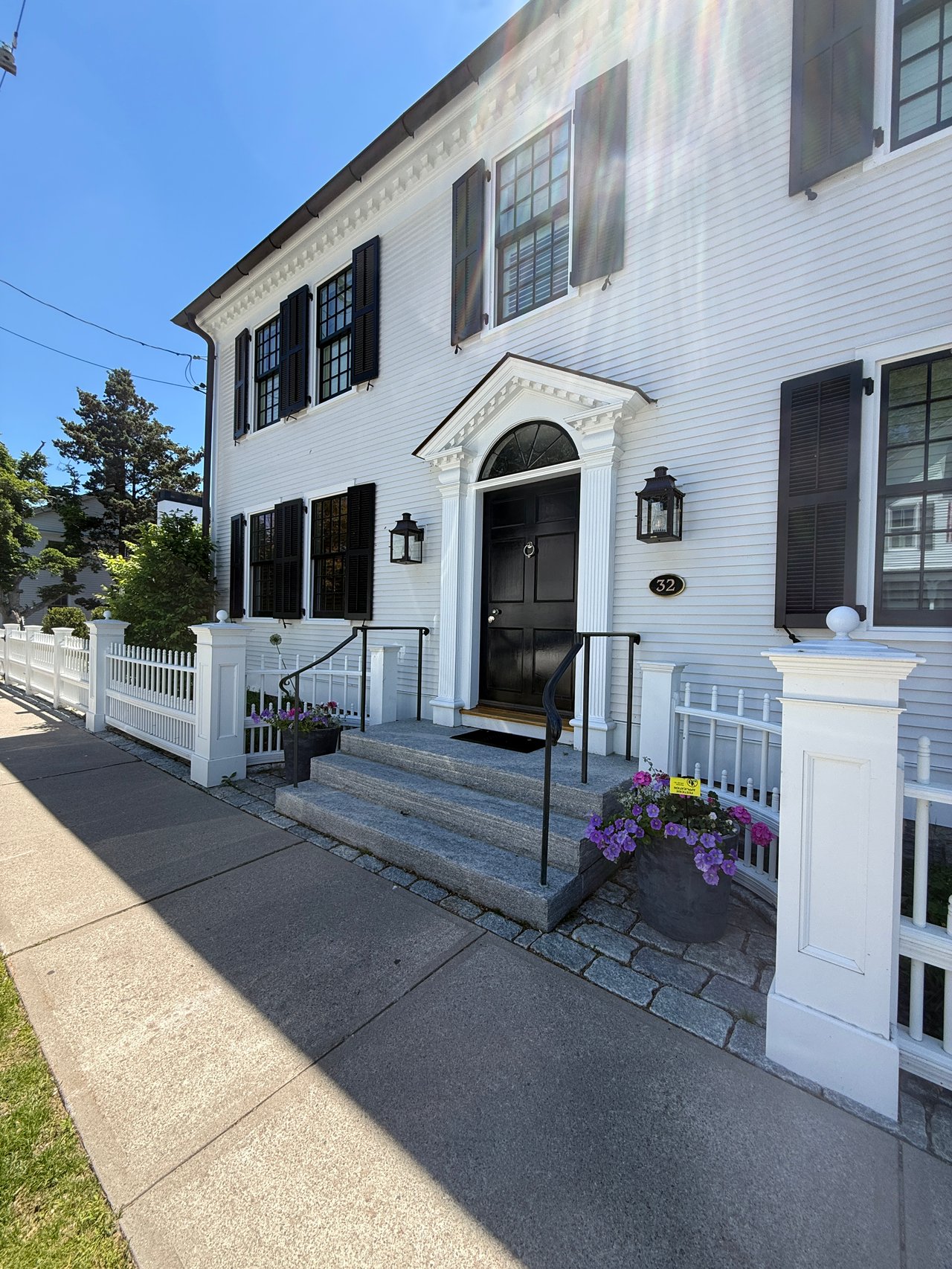
If you picture the classic early Essex Village home, you are likely picturing a Georgian or Federal colonial. Town materials describe the Georgian-style core of the village, especially on Main Street, as the strongest historic residential fabric.
These homes are known for symmetry and order. A Georgian house often has a centered entry, central staircase and hallway, and evenly arranged rooms on each floor. Federal homes keep that balanced look but usually feel a bit lighter and more refined, often with fanlights, sidelights, or classically detailed entries.
For buyers, these houses often deliver the strongest sense of historic presence. They can feel formal, graceful, and deeply tied to the village’s early identity.
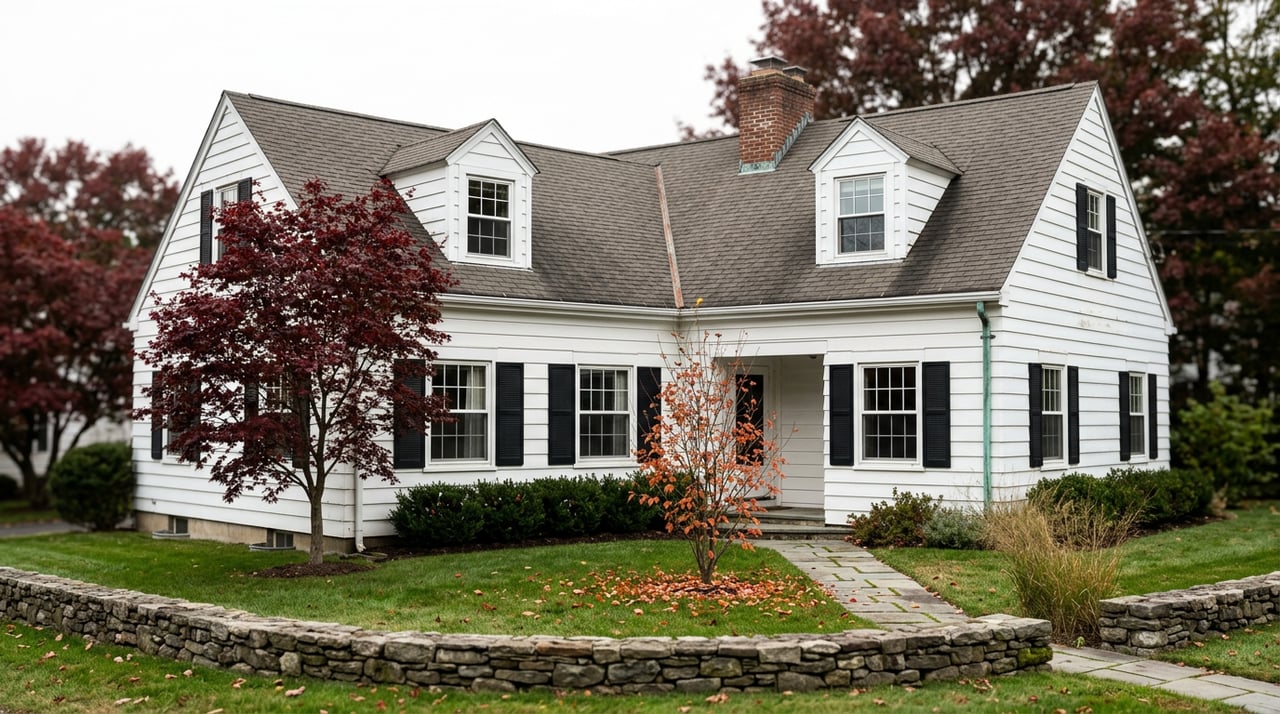
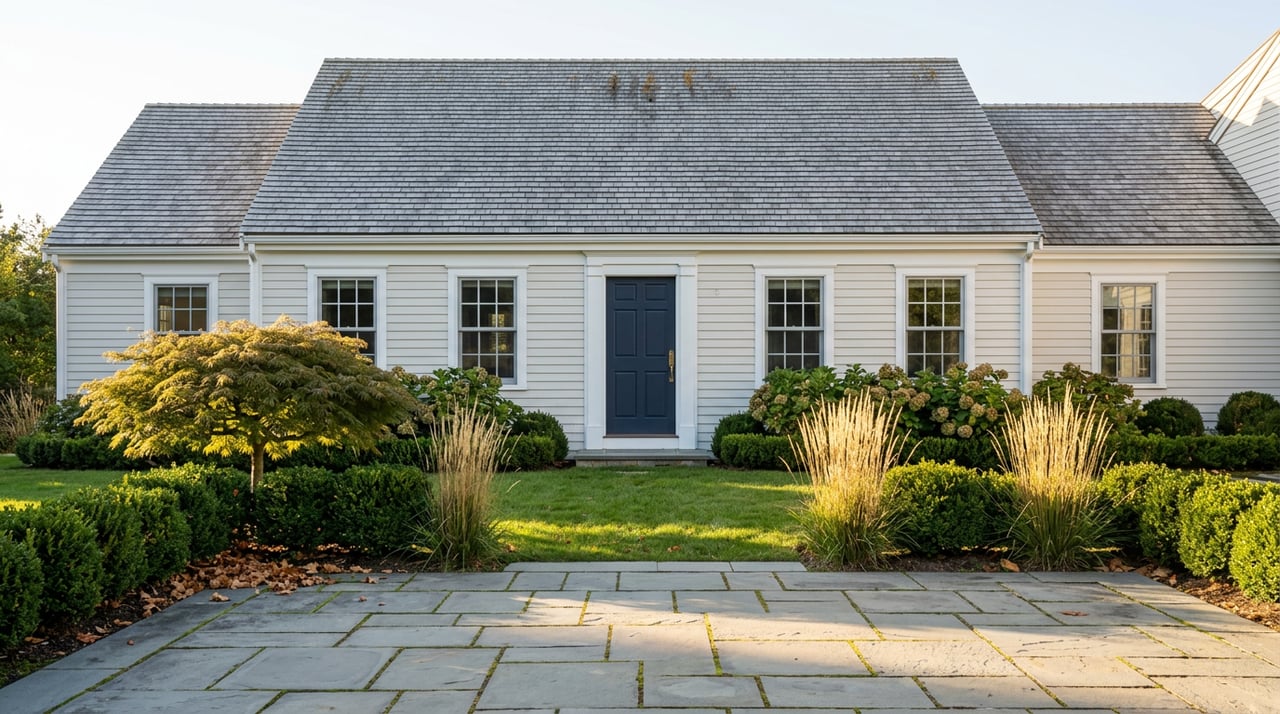
Cape Cod homes are another important part of the local mix. In Essex Village, these are typically one- or one-and-a-half-story side-gabled houses with a compact footprint and efficient layout.
A traditional Cape in this region often centers on a chimney and organizes rooms tightly around the core of the home. That can make daily living feel cozy and efficient, though usually with less square footage and fewer oversized rooms than many newer buyers expect.
If you love manageable scale and classic New England simplicity, a Cape can be very appealing. These homes often offer charm in a smaller, more practical package.
Greek Revival is one of the most important 19th-century layers in Essex Village housing stock. These homes draw from classical forms and usually feature rectangular massing, pedimented rooflines, and entries or porches with columns.
In person, Greek Revival homes often feel a little more architectural and formal than a Cape. They still fit naturally into the village, but they can present a stronger visual statement from the street.
For buyers, this style can be a compelling middle ground. You get period character and historic detail, often with a slightly different scale and presence than the earlier colonial forms.
Essex Village also includes later styles such as Italianate, Second Empire, Queen Anne, Romanesque Revival, Beaux Arts or Classical Revival, Tudor Revival, and Bungalow or Craftsman. The key local point, though, is that these later fashionable styles are relatively rare in the district rather than dominant.
That matters when you start your search. If you are specifically hoping for ornate Victorian detailing or a more eclectic revival-era look, you may find options, but they are not the main story in Essex Village.
One of the biggest differences between an older Essex Village home and a newer build is the floor plan. Georgian and Federal homes often have center halls and paired rooms rather than one large open kitchen and family room.
That means you may find more separation between living spaces. Dining rooms, parlors, studies, and bedrooms often have clearer boundaries, which some buyers love for privacy and proportion, while others may see it as less flexible for casual modern living.
Cape Cod homes usually feel even more compact inside. Bedrooms may sit under the roofline, and circulation often centers on the middle of the house.
That layout can feel warm and efficient, but you should expect a different rhythm than in a newer home with expanded bedroom suites or wide-open entertaining space. In many cases, the appeal is less about square footage and more about comfort, scale, and authenticity.
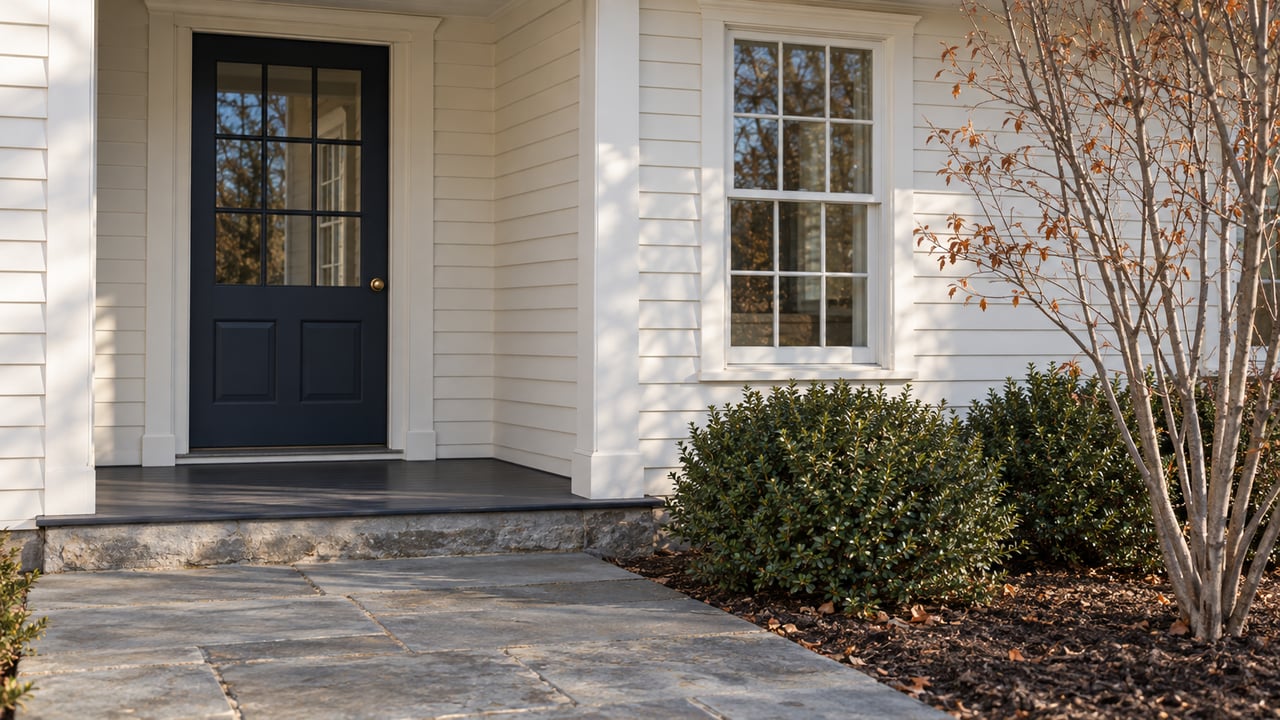
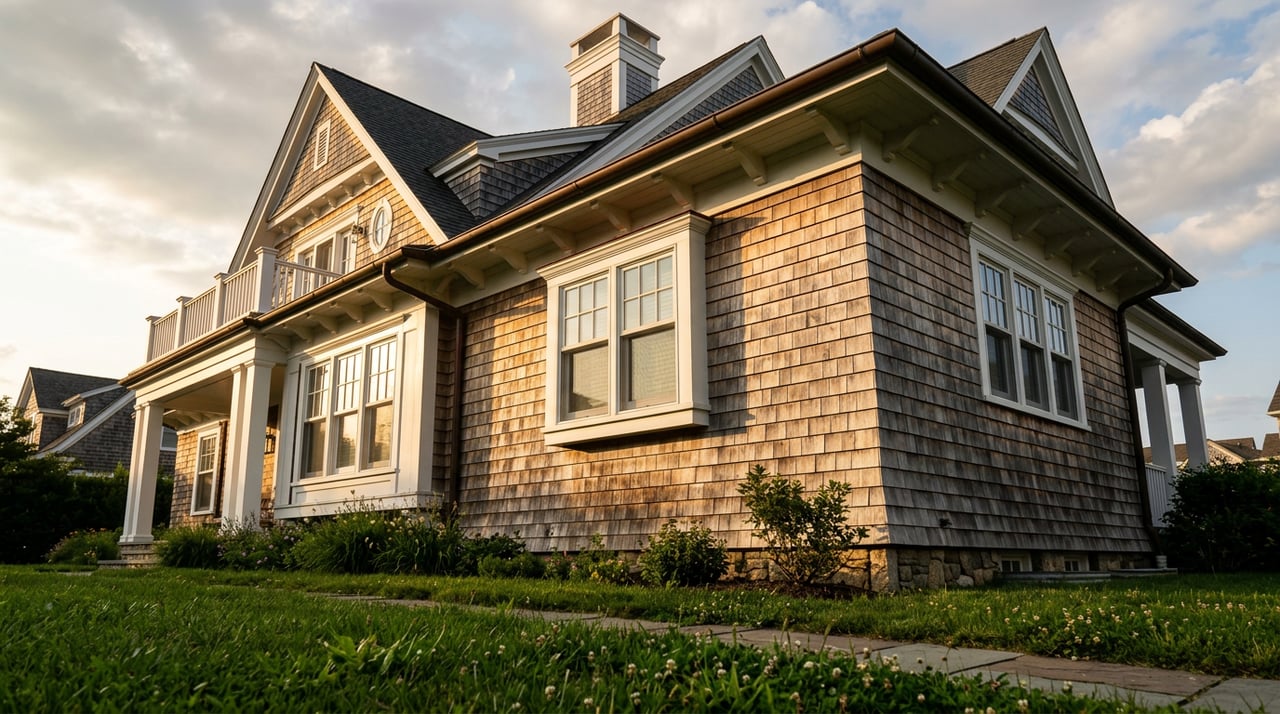
Common period details in Essex-area homes include clapboard or shingle exteriors, wood framing, granite or stone foundations, centered chimneys, fireplaces, paneled doors, simple moldings, and traditional entry trim.
These are the features that often make buyers fall in love. They are also part of what gives each house its sense of continuity with the village itself.
In Essex Village, the most successful updates usually improve daily life without stripping away historic character. Buyers often see larger kitchens, updated baths, newer mechanical systems, and additions or outbuildings designed to remain visually compatible with the original house.
That balance is especially important in a place where exterior appearance contributes so much to the village setting. The strongest renovations tend to respect the house first, then layer in convenience.
A local restoration example of a river-facing Greek Revival home shows how that can work beautifully. The house kept its period identity while adding a large kitchen, concealed plumbing and lighting systems, updated environmental systems, guest space in a carriage-house conversion, and garden rooms oriented toward the Connecticut River.
For you as a buyer, that is a useful lens. In Essex Village, modern livability and historic architecture do not have to compete when updates are done carefully.
Owning a historic home often means planning for ongoing care, not just a purchase price. Older houses may need continued investment in systems, materials, and preservation-minded repairs.
Connecticut’s Historic Homes Rehabilitation Tax Credit may be relevant for some buyers. The current program states that owner-occupied historic homes listed on the State or National Register, or contributing to a listed district, may qualify with a minimum rehabilitation expenditure of $15,000, with a homeowner benefit of 30 percent up to $30,000.
That does not make every project simple, but it can matter when you are budgeting for meaningful work. If you are considering a historic property, understanding the house’s condition and upgrade path early can help you make a more confident decision.
The central trade-off in Essex Village is often character versus modern flow. Early colonials and smaller Capes usually offer symmetry, detail, and a strong sense of place, but they often do not provide the wide sightlines, oversized closets, or expansive kitchen-family spaces common in newer homes.
For many buyers, that is not a drawback so much as a choice. You are often buying authenticity first and a fully contemporary floor plan second.
Another important distinction involves regulation. The town states that National Register designation does not restrict private owners’ rights and does not automatically create local historic district zoning.
That is different from Connecticut’s rules for local historic districts, where a certificate of appropriateness is required before exterior alterations or demolition. Under that structure, exterior elements such as windows, doors, materials, signs, utility structures, and parking can be reviewed, while interior arrangement or use is not considered.
For buyers, the practical takeaway is simple. Interiors are often the more flexible part of the house, while exterior changes may receive closer scrutiny depending on the property and applicable local rules.
If you are considering a river-edge property, site conditions deserve extra attention. Essex’s own history notes that the 1936 Connecticut River flood inundated waterfront properties.
That does not diminish the appeal of riverfront living, but it does mean you should look carefully at drainage, elevation, and long-term maintenance. In a shoreline and river market, lifestyle and site diligence should go hand in hand.
If you are drawn to symmetry, formal rooms, and classic early village architecture, Georgian and Federal homes may feel like the right fit. If you want historic charm in a smaller footprint, a Cape may be the most comfortable match.
If you prefer a more architectural 19th-century look, Greek Revival homes deserve a close look. And if you are searching for something more distinctive or estate-like, the rarer later revival and Victorian-era properties may offer that layered character.
In Essex Village, the best choice is rarely about style alone. It is about how the home’s layout, condition, location, and update history line up with the way you want to live.
If you are exploring historic homes in Essex Village and want clear guidance on architectural character, waterfront considerations, and what to watch for as you compare properties, Teri Lewis offers a concierge, locally grounded approach designed for buyers who want both confidence and context.
Stay up to date on the latest real estate trends.
Teri is extremely personable and will work tirelessly for your needs. Her attention to detail and her honest and personable approach is what she longs for each in every transaction. She will not only find you a home, but will also help you find the right fit for your family and also give you a concierge approach when transitioning into the area she so loves.