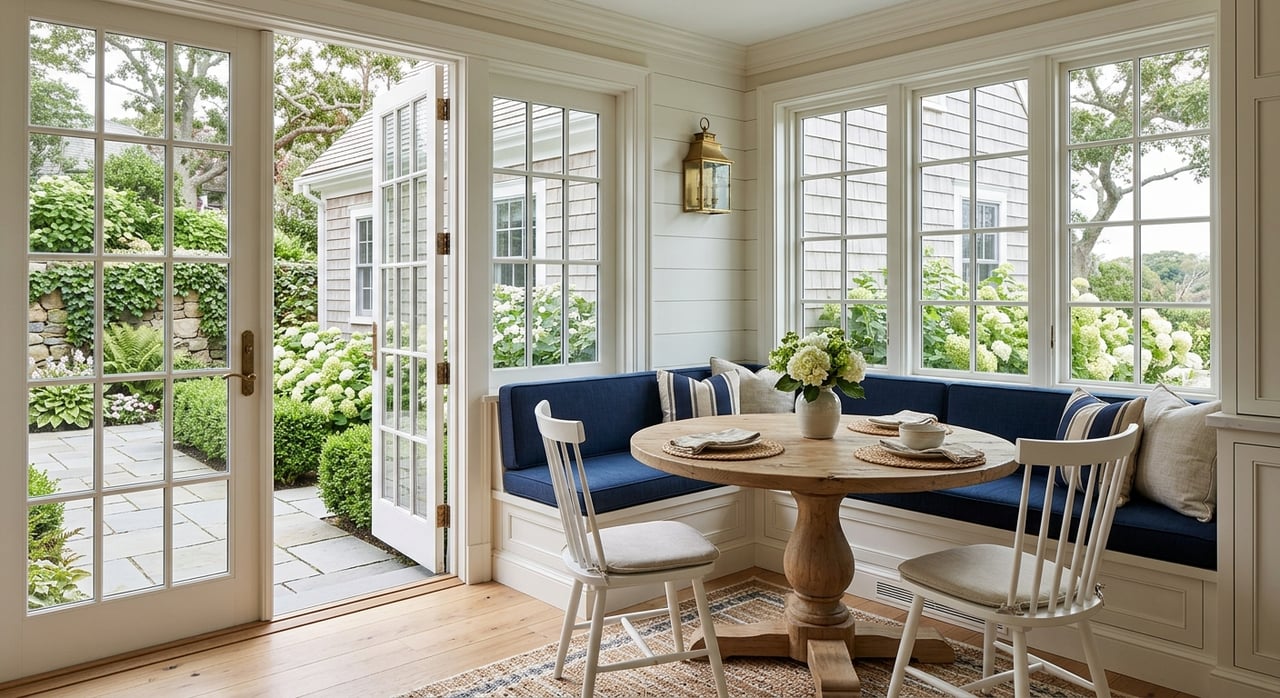
Downsizing in Old Saybrook: Is a Smaller Home Right?
May 21, 2026
May 21, 2026
Wondering if your next move in Old Saybrook should mean more space or less upkeep? That question is especially relevant in a shoreline town where lifestyle, timing, and carrying costs can change the math fast. If you are trying to decide whether to upsize or downsize, the right answer usually has less to do with square footage and more to do with how you want to live over the next 5 to 10 years. Let’s dive in.
Old Saybrook is a town where many homeowners are making thoughtful next-step decisions, not just first-time purchases. The 2024 Census estimate puts the population at 10,689, with 30.8% of residents age 65 and over, an 85.3% owner-occupied housing rate, and a median value of owner-occupied homes of $538,200. That tells you many local households are established owners weighing lifestyle, maintenance, and mobility needs.
The current market also rewards planning. As of April 8, 2026, SmartMLS reported a year-to-date median sales price of $840,000 for single-family homes in Old Saybrook, with 64 days on market and 2.5 months of inventory. Townhouse and condo properties showed a year-to-date median price of $570,000, 47 days on market, and 1.7 months of inventory.
In other words, whether you are moving up or moving down, you may need to coordinate your sale and purchase carefully. Low inventory can make the right next home harder to secure, even if your current home is likely to attract strong interest.
Upsizing can be the right move if your current home no longer supports the way you live. You may need more room for guests, hobbies, a home office, storage, or a setup that works better for multigenerational living. In a town like Old Saybrook, upsizing can also be about buying into a more complete shoreline lifestyle.
The town highlights shores, vistas, marinas, two public beaches, a state-owned boat launch, and settings that support walking and bicycling. For some buyers, a larger home near the water or with stronger marina access is not just a housing upgrade. It is a lifestyle purchase tied to how you want to spend your time.
That last point matters. In Old Saybrook, a move-up purchase may be about location and lifestyle as much as size. A home with coastal views, better proximity to marinas, or access to shoreline amenities may justify a bigger investment if those features match how you actually live.
If your move-up plan includes a waterfront or water-oriented property, look beyond the view. Flood zone status, insurance costs, erosion exposure, and local coastal rules should all be part of your early review. These factors can affect both monthly carrying costs and long-term comfort with the purchase.
Old Saybrook zoning includes a Coastal Area Management Zone and Saybrook Point SP Districts. That means location-specific rules may shape what you can change, add, or maintain on a property. If you are buying waterfront, it is smart to treat diligence as part of the value equation, not as a last-minute box to check.
Downsizing is not about giving something up. In many cases, it is about gaining simplicity, flexibility, and a home that fits your next chapter better. In Old Saybrook, that can be especially appealing for owners who want less maintenance but still want to stay close to the shoreline lifestyle they enjoy.
The local demographics support that conversation. With an average household size of 2.23 and a large share of owners age 65 and over, there are many households for whom a smaller, easier-to-manage home may be a practical next move. That does not mean everyone should downsize, but it does make the question highly relevant in this market.
In Old Saybrook, condos and townhouses can offer a realistic low-maintenance path. SmartMLS reported a year-to-date median sales price of $570,000 for townhouse and condo properties, with only 1.7 months of inventory. That gives you a useful benchmark if you want to stay in town while reducing the upkeep of a larger single-family home.
For many downsizers, the real goal is not just smaller space. It is easier day-to-day living. Old Saybrook offers some strong local advantages here, especially near Main Street and the rail station.
The town notes that Main Street sidewalks invite strolling, and Connecticut reports that Shore Line East stops in Old Saybrook. The town also notes frequent Amtrak connections to New Haven, New York, and Boston. If you want a lock-and-leave lifestyle, easier local errands, or simpler regional travel, that combination can be a real factor in your decision.
Some buyers who are downsizing still want charm, character, and a more central village setting. That can be a great fit in Old Saybrook, but it is important to understand what comes with that choice. Smaller does not always mean simpler.
The town has an active Historic District Commission, and exterior changes in a historic district may require a Certificate of Appropriateness. If you are drawn to an older or historic home, weigh the charm and walkability against the added review process for certain exterior updates.
One of the biggest mistakes homeowners make is focusing only on what their current home may sell for. The more important number is what you net after taxes and selling costs, and how that lines up with the cost of your next home.
In Old Saybrook, the town lists a municipal real estate conveyance tax of 0.0025. Connecticut DRS says the state residential conveyance tax is 0.75% up to $800,000, 1.25% from $800,000.01 to $2.5 million, and 2.25% above $2.5 million. On a $1,000,000 residential sale in Old Saybrook, that works out to about $11,000 in conveyance tax alone.
That is why the move-up or downsize question should always start with real numbers. A higher sale price does not automatically make upsizing easy, and downsizing does not always mean your monthly costs will drop as much as you expect.
If you have owned your home for many years, your equity position may be one of your biggest advantages. It can also create tax questions worth reviewing early. According to the IRS, many homeowners may exclude up to $250,000 of gain, or up to $500,000 for married couples filing jointly, if ownership and use tests are met.
For longtime Old Saybrook owners, that exclusion can be meaningful. If your next home will also be expensive, understanding your likely proceeds and any tax implications can help you decide whether to move now, wait, or shift your search toward a different price point.
In a low-inventory market, timing is often the hardest part of moving. SmartMLS shows just 2.5 months of inventory for single-family homes and 1.7 months for townhouses and condos in Old Saybrook. That means both buyers and sellers need a plan, especially if you are trying to sell one property and buy another without feeling rushed.
Local tax timing can matter too. Old Saybrook real estate taxes are billed in two installments, due July 1 and January 1, with bills mailed in June and payments over $100 split between summer and winter installments. That can affect closing prorations and the practical timing of your move.
If you feel stuck between upsizing and downsizing, try reframing the question. The best move is not always bigger or smaller. It is the home that best fits your space needs, maintenance tolerance, access priorities, and financial comfort over the next 5 to 10 years.
A larger home may be the right answer if it improves daily life in ways that will last. A smaller home may be the better answer if it frees up time, reduces upkeep, and puts you closer to the places you want to enjoy. In Old Saybrook, both paths can make sense. The key is choosing with a clear view of lifestyle, due diligence, and timing.
If you are weighing a move in Old Saybrook and want practical guidance tailored to your goals, Teri Lewis offers a concierge approach grounded in local shoreline knowledge, thoughtful planning, and high-touch service.
Stay up to date on the latest real estate trends.

Teri is extremely personable and will work tirelessly for your needs. Her attention to detail and her honest and personable approach is what she longs for each in every transaction. She will not only find you a home, but will also help you find the right fit for your family and also give you a concierge approach when transitioning into the area she so loves.