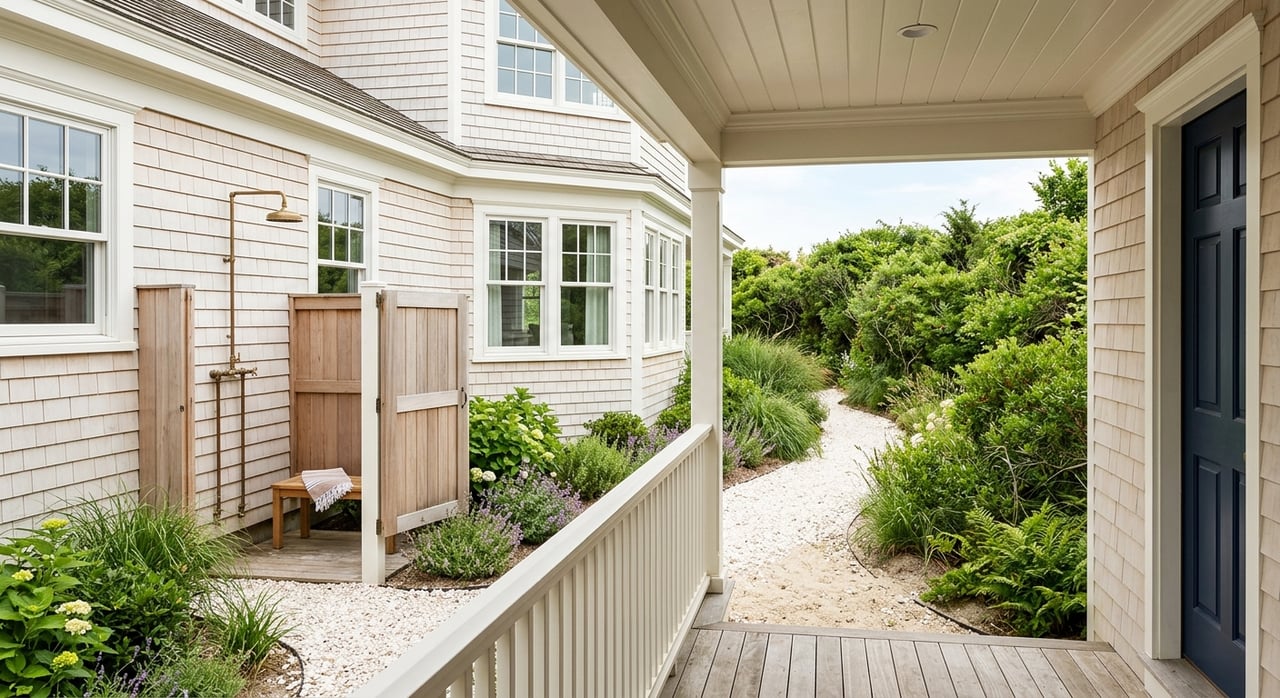
Which Old Saybrook Waterfront Neighborhood Fits You?
June 18, 2026
June 18, 2026
Wondering which Old Saybrook waterfront neighborhood fits the way you actually want to live? In this town, “waterfront” can mean very different things, from harbor access and moorings to private beach associations and riverfront settings. If you are comparing areas for a primary home, weekend retreat, or future move, this guide will help you sort through the main waterfront micro-areas and what makes each one distinct. Let’s dive in.
Old Saybrook’s waterfront is shaped by two very different edges: Long Island Sound and the Connecticut River. That means your search is often less about being “near water” and more about choosing the type of water access that matters most to you.
The town’s boating and recreation resources show a wide range of access points, including Sound marinas, river marinas, North Cove moorings, Ferry Dock Marina slips, and public kayak and paddleboard launches. Old Saybrook also has public beaches, private beach associations, a scenic coastal loop, and a large coastal preserve, so the lifestyle can include walking, biking, boating, or simply spending more time outdoors.
When buyers start comparing Old Saybrook waterfront neighborhoods, one of the smartest first steps is to compare access type. In many parts of town, private beach rights, slips, launches, moorings, and association amenities can shape day-to-day living as much as the address itself.
You will also want to keep property rules in mind. Coastal work in Old Saybrook can be affected by CAM zoning, tidal-wetland setbacks, and riparian buffers, and Fenwick adds a separate historic-district review process for certain exterior changes and new structures.
If you want the most harbor-centered setting in Old Saybrook, this area stands out. The town’s planning documents describe Saybrook Point as a historic waterfront destination where the Connecticut River meets Long Island Sound, with boating, fishing, dining, walking, biking, and other visitor-oriented activity.
North Cove adds another layer of appeal for boaters. It is described as a federal harbor of refuge with regular dredging, seasonal public moorings, transient use, and a town dock, while Ferry Point is treated as a marina district and maritime-economy hub with waterfront access and redevelopment potential.
This part of town is a strong fit if you are drawn to movement, marina energy, and easy access to the water from multiple angles. You may find yourself prioritizing harbor infrastructure and convenience over a more tucked-away beach setting.
For buyers who love boats, river traffic, and an active waterfront backdrop, this is often one of the most practical places to start. It is especially useful if you want to compare moorings, slips, transient activity, and nearby public access in one area.
Fenwick is a separate borough within Old Saybrook, created in 1899, and it carries a distinct identity within the larger town. Borough materials note broad views of the Connecticut River, Long Island Sound, and South Cove, along with notable historic shingle-style cottages.
A key point for buyers is the level of architectural oversight. In 1975, all borough land east of Maple Avenue was designated a historic district, and exterior changes or new construction require a Certificate of Appropriateness.
If you are drawn to preserved architecture, historic setting, and a more formally regulated environment, Fenwick deserves close attention. The review process can be important if you are considering renovations, additions, or new exterior work.
This is often the right conversation for buyers who value the setting enough to welcome more structure around design changes. It is less about casual flexibility and more about understanding the character and rules that help shape the borough.
Cornfield Point is a shoreline community of 348 homes with nearly three-quarters of a mile of Long Island Sound waterfront. Association materials describe private beaches, a boat launch ramp, a clubhouse, and other shared amenities for residents and guests.
The neighborhood also has a long shoreline history. It was marketed in the 1920s as a cottage colony, and some cottages date to the 1920s and 1930s, while many homes have since been renovated into year-round residences.
Cornfield Point tends to appeal to buyers who want a classic beach-neighborhood rhythm with a mix of older cottages and updated homes. You get a sense of shoreline tradition, but with housing that may range from legacy seasonal styles to more fully modernized living.
If your ideal day includes beach access, association amenities, and a neighborhood identity tied closely to the Sound, this area may feel like a natural fit. It is a useful option to compare if you want a private beach setting rather than a harbor-first location.
Chalker Beach traces its roots to 1931, and the association notes that many original cottages have remained in the same families for multiple generations. The neighborhood’s activity centers on the clubhouse and beach, giving it a compact and community-driven shoreline character.
For many buyers, that long continuity is part of the appeal. It reflects a place where cottage history is still visible in the neighborhood’s identity and layout.
If you picture a traditional New England beach enclave, Chalker Beach is one of the clearest examples in Old Saybrook. Its appeal is often less about large-scale infrastructure and more about a close-knit beach setting with enduring character.
That can be a major advantage if you want a neighborhood with a strong sense of place. It is worth comparing against Cornfield Point if you are deciding between two association-centered shoreline environments with cottage roots.
These areas are often best understood through the lens of access. Saybrook Manor is a special taxing district created in 1933 to care for its beaches and clubhouse, and its association notes three beach locations for property owners, guests, and renters.
Indian Town has association materials tied to a dockmaster, boat slips, and watercraft applications. Town harbor-management materials also place Otter Cove on the Connecticut River and group Knollwood, Indiantown, Oyster River, Ferry Point Anchorage, and waterfront-front moorings together on permitting materials.
In these waterfront areas, the conversation often shifts from “Which street is best?” to “What kind of access comes with this property?” Beach rights, slips, launch options, and cove frontage can all be central to the decision.
This is also where buyers may find more variety in ownership and maintenance structures. The town’s beach-association list identifies Oyster River Landing as a condo community, which can be helpful context if you want waterfront living with a smaller-maintenance setup.
If you are trying to choose among Old Saybrook’s waterfront neighborhoods, start with the lifestyle question first. Think about how you want to spend your time once you are there, not just what view you want from the house.
Here is a simple way to frame your search:
With any waterfront purchase in Old Saybrook, it helps to ask renovation questions early in the process. Coastal zoning, wetlands setbacks, and riparian buffers can affect what is possible on a property, especially when you are thinking about additions or exterior changes.
In Fenwick, buyers should pay especially close attention to historic-district review. If a property is within the designated district east of Maple Avenue, exterior changes and new construction require a Certificate of Appropriateness.
Old Saybrook offers several waterfront lifestyles within one town, and the right fit is often more nuanced than it first appears. A harbor-area home, a beach-association property, and a river or cove setting can all deliver a very different ownership experience.
That is why local knowledge matters so much here. If you want help comparing access, property patterns, and the practical details that can shape waterfront ownership, Teri Lewis can help you evaluate Old Saybrook with a concierge, client-first approach.
Stay up to date on the latest real estate trends.




Teri is extremely personable and will work tirelessly for your needs. Her attention to detail and her honest and personable approach is what she longs for each in every transaction. She will not only find you a home, but will also help you find the right fit for your family and also give you a concierge approach when transitioning into the area she so loves.