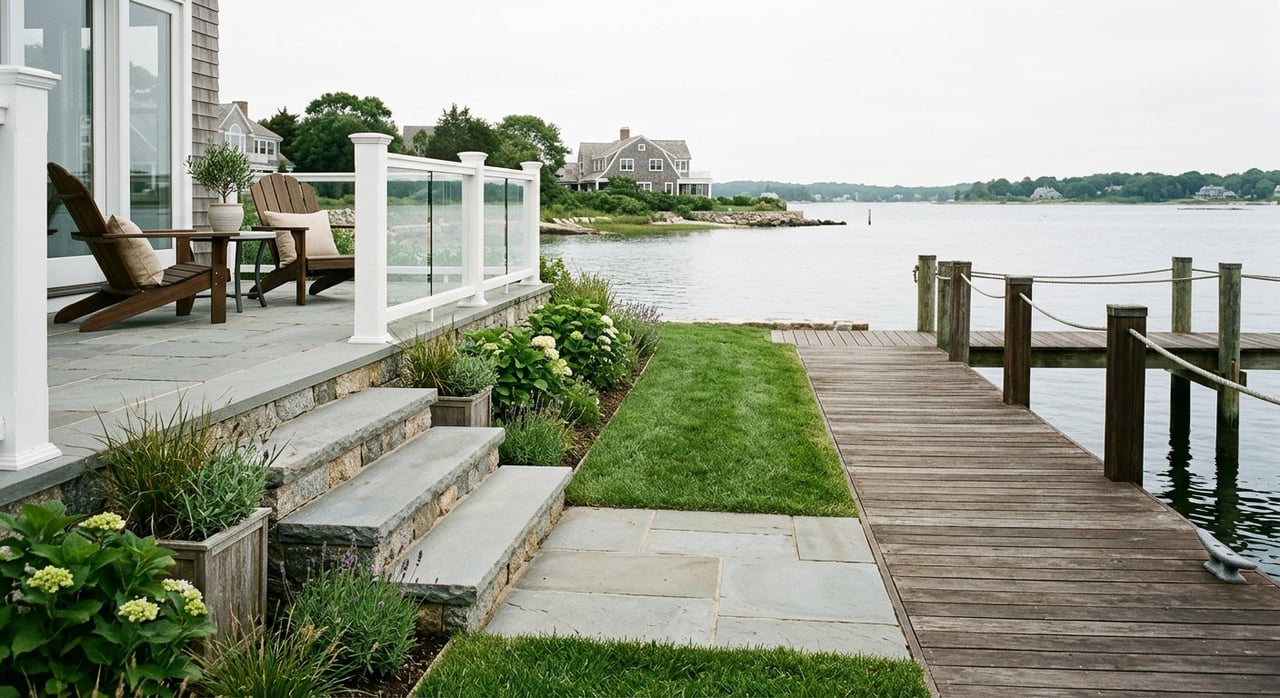
Preparing An Old Saybrook Waterfront Home To Sell
June 11, 2026
June 11, 2026
Wondering why some Old Saybrook waterfront homes draw immediate interest while others sit longer than expected? On the shoreline, buyers are not just judging your kitchen or paint colors. They are also weighing the view, the dock or mooring setup, flood exposure, and how well the property’s waterfront features are documented. If you are getting ready to sell, a smart plan can help you present the home clearly, honestly, and to its full advantage. Let’s dive in.
In Old Saybrook, the outside of your home is part of the core product. Buyers are often scanning the water-facing side of the property first, whether they are seeing it online or arriving for a showing. That makes exterior cleanup one of the highest-value steps you can take before listing.
Focus first on the areas that frame the view. Clean up outdoor furniture, remove visual clutter, and make sure pathways to the water, dock, deck, or sitting area feel open and easy to follow. Professionally cleaned windows can also make a major difference because they help the water view show more clearly in both photos and in-person tours.
If your property includes shoreline vegetation, be careful not to treat it like ordinary overgrowth. Old Saybrook encourages vegetated buffers, and its coastal guidance notes that tidal wetland vegetation helps stabilize shorelines and buffer erosion. In other words, a natural edge may be an asset, not something to strip away for a cleaner look.
Waterfront homes in Old Saybrook come with location-specific considerations that inland sellers may never face. The town lies within the Long Island Sound watershed, and local zoning includes a Coastal Area Management zone. In some areas, there is a 50-foot setback from tidal wetlands, and in others, there is a 100-foot riparian buffer from the Connecticut River and its tributaries.
Flood exposure also matters. Old Saybrook reports that the FEMA 100-year flood zone covers about 2,800 acres, which is nearly 29% of the town. That does not mean your home cannot sell well, but it does mean buyers will pay close attention to documentation, elevation, and any prior flood-related improvements.
Before your listing goes live, it is wise to verify what applies to your property. The safest approach is to confirm flood zone details, shoreline features, and any relevant approvals early rather than trying to answer those questions after buyers start asking.
If your home has a dock, mooring, or other boating feature, buyers will want more than a nice photo. They want to know that these features are orderly, functional, and properly handled. A waterfront listing feels stronger when those details are ready and clearly presented.
Connecticut DEEP regulates residential docks in tidal, coastal, and navigable waters. Its guidance makes clear that docks should avoid shading tidal wetland grasses, avoid submerged aquatic vegetation, minimize encroachment into public trust lands, and allow continued navigation and access. DEEP also notes that adding a jet float to an existing dock requires a permit.
For moorings, Old Saybrook’s Harbor Management Commission oversees several areas, including North Cove, the Flats and Beaches, Clothesline Marina, and Ferry Dock Marina. The town states that every mooring must be inspected annually before it is placed in the water, and applicants should allow about three weeks for the process. If your listing includes boating access, this timeline can affect when you schedule photography and showings.
If your property has a seawall, bulkhead, or another shoreline structure, avoid assuming a quick cosmetic repair is the answer. DEEP states that new seawalls are tightly limited, repair is ideally done from the upland, and seawall work also requires municipal Coastal Site Plan Review. That means even well-intended updates may need more planning than expected.
In a waterfront home, the view should lead the experience. Your staging should support that, not compete with it. The goal is to help buyers notice the water, the light, and the lifestyle the property offers.
That usually means simplifying rooms that face the water. Lighter window treatments, fewer bulky pieces, and furniture that guides the eye outward can help the space feel calmer and more connected to the setting. When rooms look clean and open, buyers have an easier time imagining themselves living there.
This matters because staging works. In NAR’s 2025 Profile of Home Staging, 83% of buyers’ agents said staging makes it easier for buyers to visualize the home as their future home. Sellers’ agents most often staged the living room, primary bedroom, and dining room, which are often key spaces in a waterfront property.
Outdoor living areas deserve the same attention. Treat the deck, patio, porch, or lawn seating area like an extra room. Clean furniture, simple cushions, a few planters, and a clear route to the dock or shoreline can make the property feel intentional and usable.
Great waterfront marketing depends on strong visuals, but accuracy matters just as much as beauty. Buyers respond best to clear, uncluttered imagery that gives them a true sense of the home. That is especially important when the setting is one of the property’s biggest selling points.
Window glass, reflective surfaces, and room layout all have an outsized effect on waterfront photography. Clean windows and open sight lines help the water show up better in listing photos, video, and virtual tours. Since buyers often see the home online first, those details can shape whether they schedule a showing.
If you use virtual staging or enhanced imagery, be careful to keep the presentation truthful. NAR says material photo alterations should be disclosed so buyers receive a clear and accurate picture of the property. Honest marketing builds trust, and trust helps serious buyers move forward with confidence.
One of the most overlooked parts of selling a shoreline home is timing. In Old Saybrook, the same property can look noticeably different depending on tide level and light conditions. That makes scheduling more strategic than it would be for a typical inland listing.
NOAA provides tide predictions for Saybrook Point and Saybrook Jetty, which can help you plan listing photography and key showings. The best tide depends on the feature you want to highlight. If your property’s appeal centers on dock access or boating, a higher tide may show that benefit more clearly.
If the shoreline profile or beach edge is part of the story, lower tide may reveal more detail. There is no one-size-fits-all answer. The right choice depends on what your home offers and how buyers are most likely to experience its waterfront setting.
You do not need to overhaul everything before listing. In most cases, the highest-priority items are safety, appearance, and documentation. Cosmetic cleanup and decluttering often deliver the best early return, while more complex waterfront changes should be reviewed carefully before you commit.
This is especially true if a proposed repair touches the dock, shoreline, floodplain, or water-facing structures. DEEP notes that some coastal general permits can move relatively quickly, but individual permits depend on the size, complexity, and completeness of the application and may require public comment. Waiting until the last minute can easily delay your launch.
Old Saybrook’s floodplain ordinance places special flood hazard area administration with the Town Engineer, with the Zoning Enforcement Officer and Building Official serving as deputies. The ordinance also notes that where required, a registered professional engineer or architect must certify design and construction methods. If your home has had flood-related work or needs it, early review is the smart move.
Strong waterfront listings answer questions before they become objections. If buyers are unsure about access, compliance, or flood considerations, they may hesitate even if they love the house. Good documentation helps keep the conversation focused and productive.
Before listing, gather whatever records apply to your property, such as dock information, mooring details, flood-related documents, shoreline structure records, or permits for major waterfront improvements. You do not want to make broad promises about unrestricted access if site conditions, permits, or tides affect how the property is used.
DEEP specifically notes that reasonable recreational access does not guarantee a dock or mooring of a particular size at all times, in all weather conditions, or at all tides. That is why precise, well-supported marketing matters so much on the shoreline. Clear expectations help buyers understand the property and help sellers avoid unnecessary friction.
The best-prepared waterfront homes tend to do three things well. First, they present the water-facing side of the property beautifully. Second, they market the home honestly with strong visuals and smart timing. Third, they support the listing with organized, accurate waterfront documentation.
That combination helps buyers focus on the home’s strengths instead of getting distracted by uncertainty. In a market like Old Saybrook, where waterfront value is tied to both lifestyle and logistics, that clarity can make a real difference.
If you are preparing to sell a waterfront home in Old Saybrook, a concierge approach can help you prioritize the right improvements, avoid costly missteps, and bring the property to market with confidence. To start planning your next steps, connect with Teri Lewis.
Stay up to date on the latest real estate trends.








Teri is extremely personable and will work tirelessly for your needs. Her attention to detail and her honest and personable approach is what she longs for each in every transaction. She will not only find you a home, but will also help you find the right fit for your family and also give you a concierge approach when transitioning into the area she so loves.